


Local Kyrgyz Guides and Teams
Guides grew up in these mountains and valleys, so you get straight answers about the route, the weather, and the culture from people who know the ground firsthand.
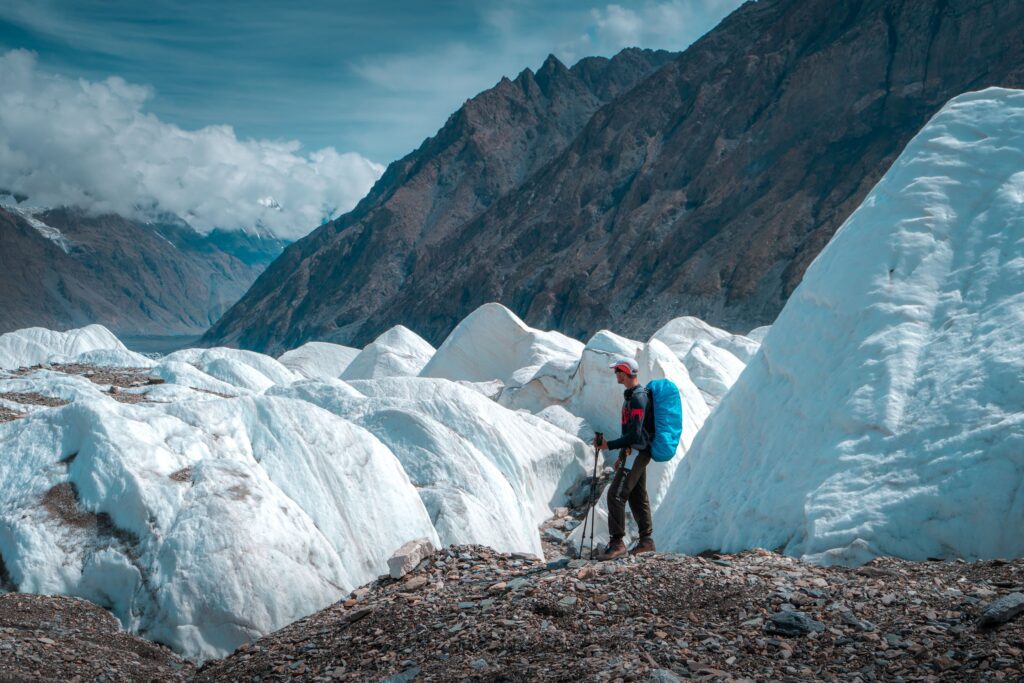
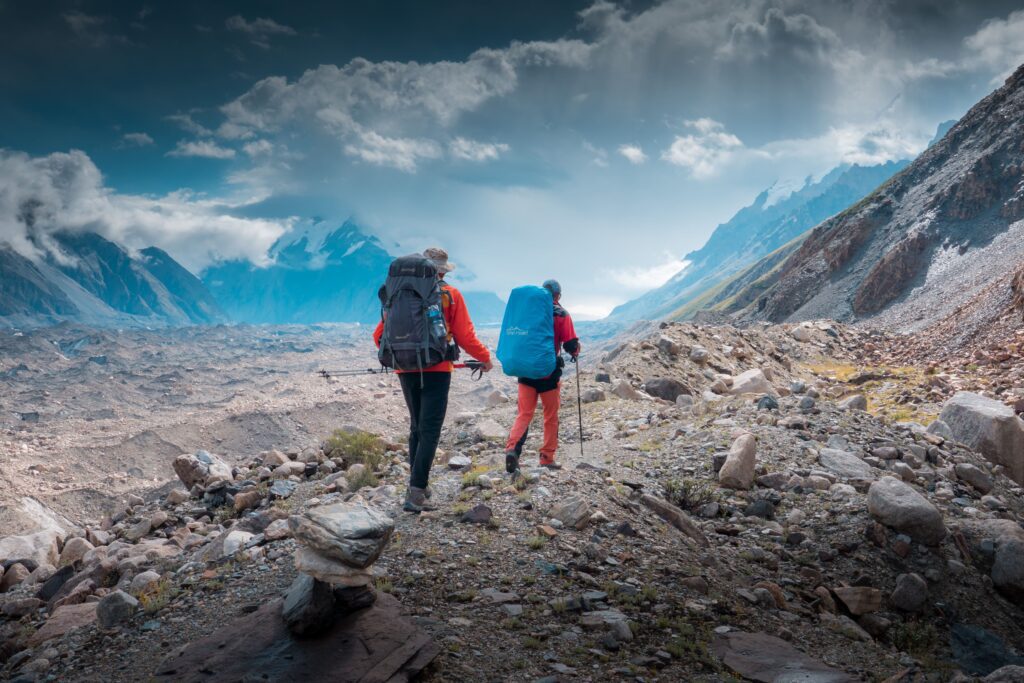
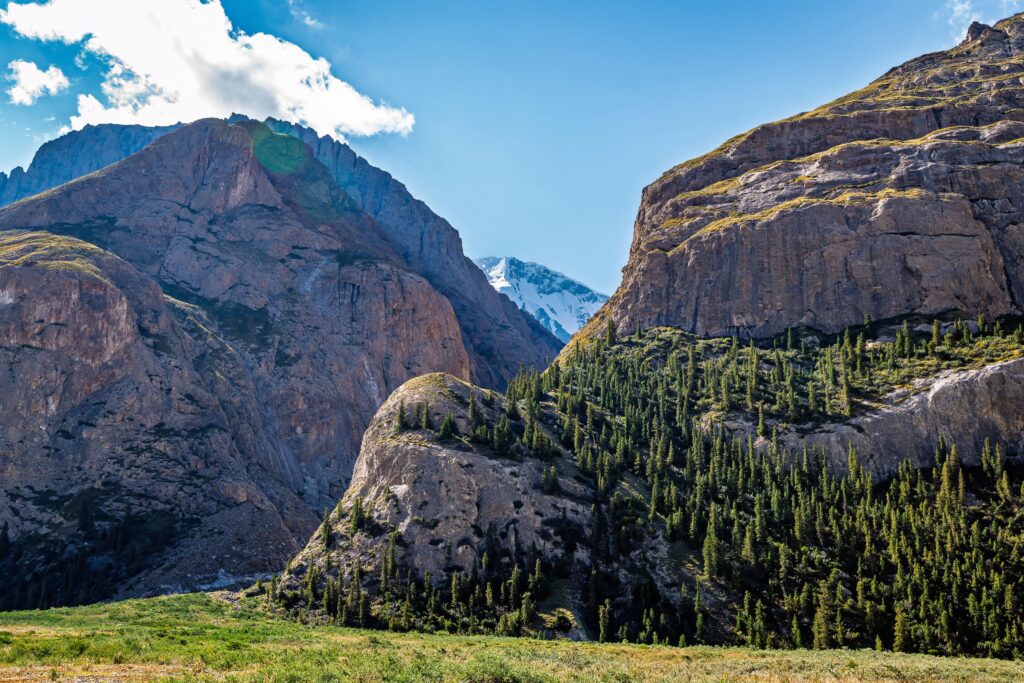
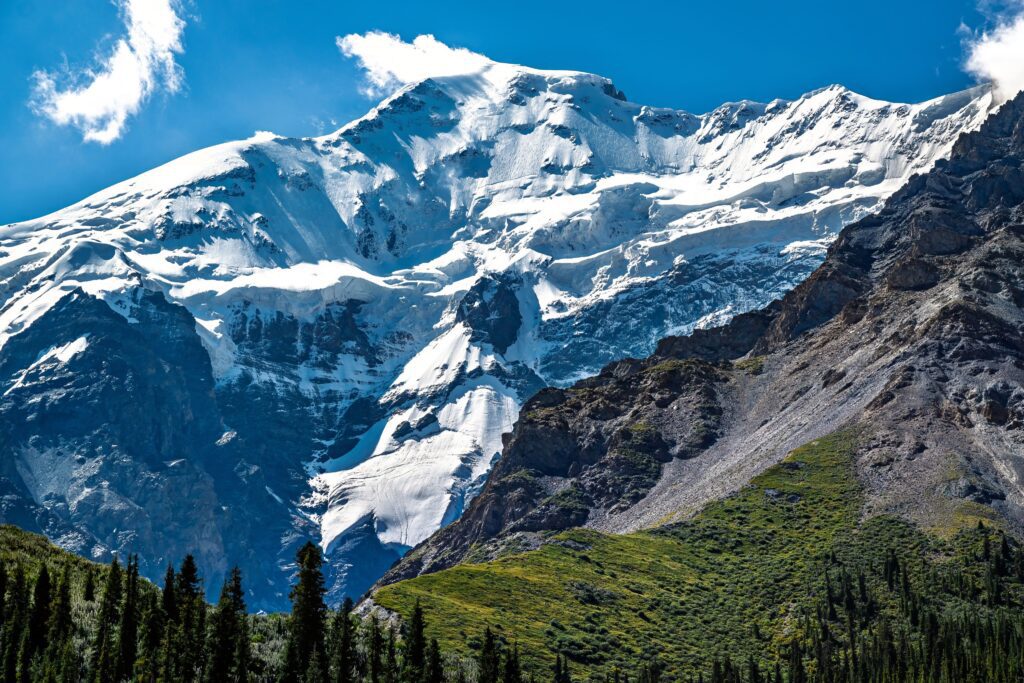
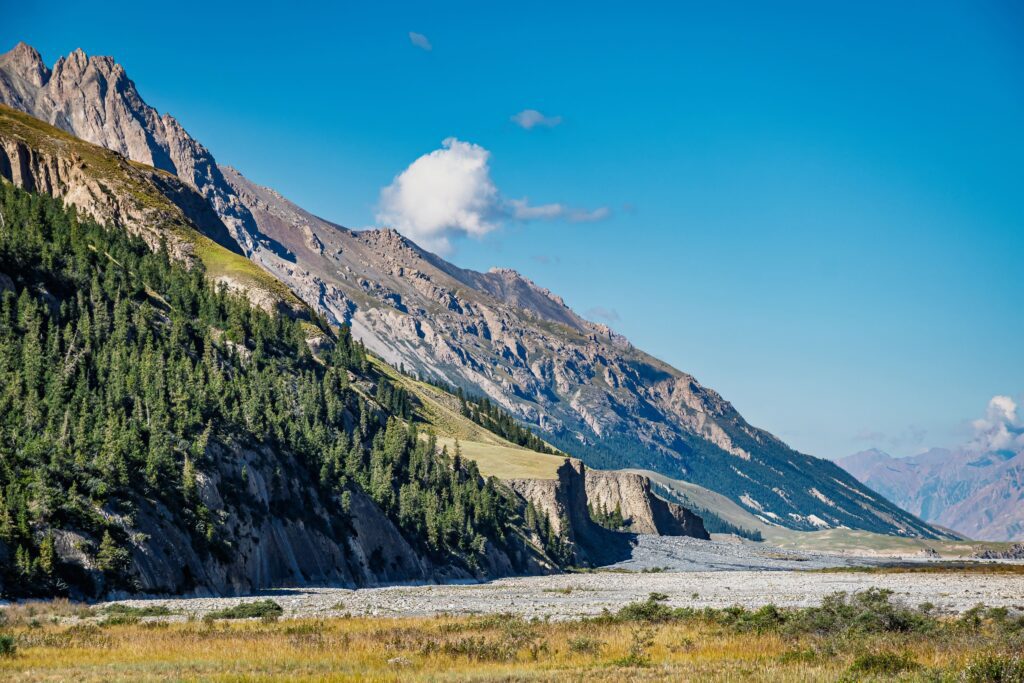
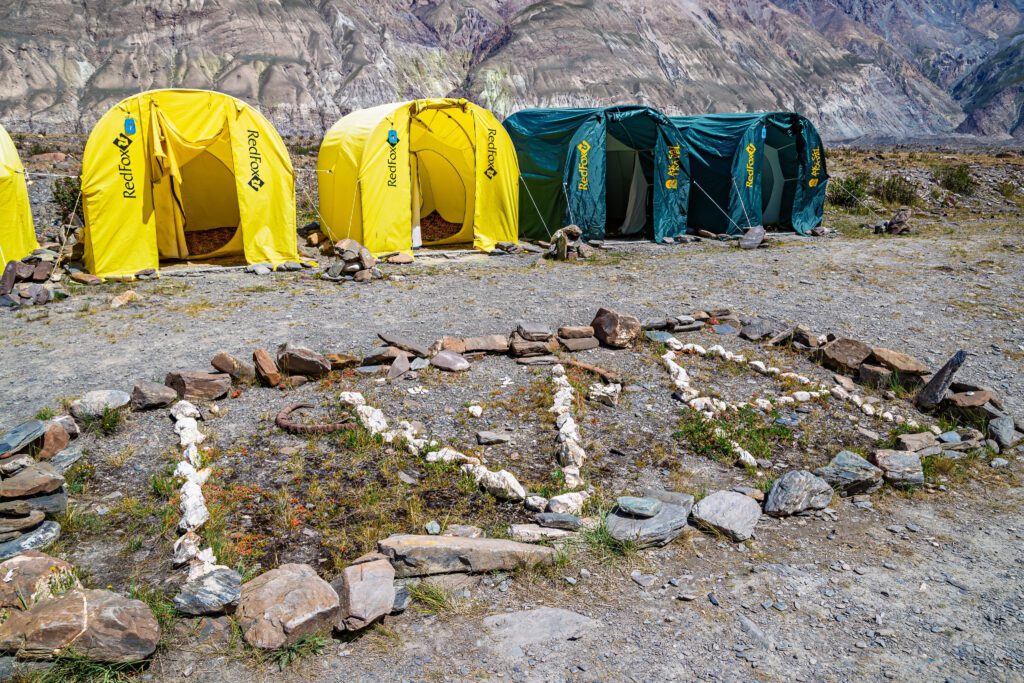
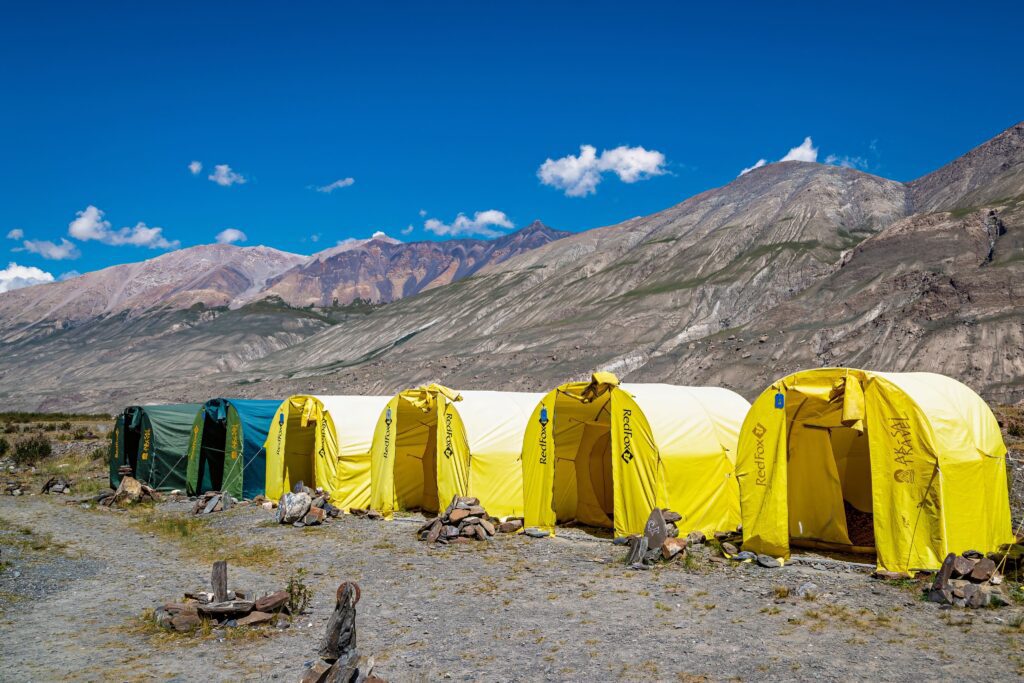
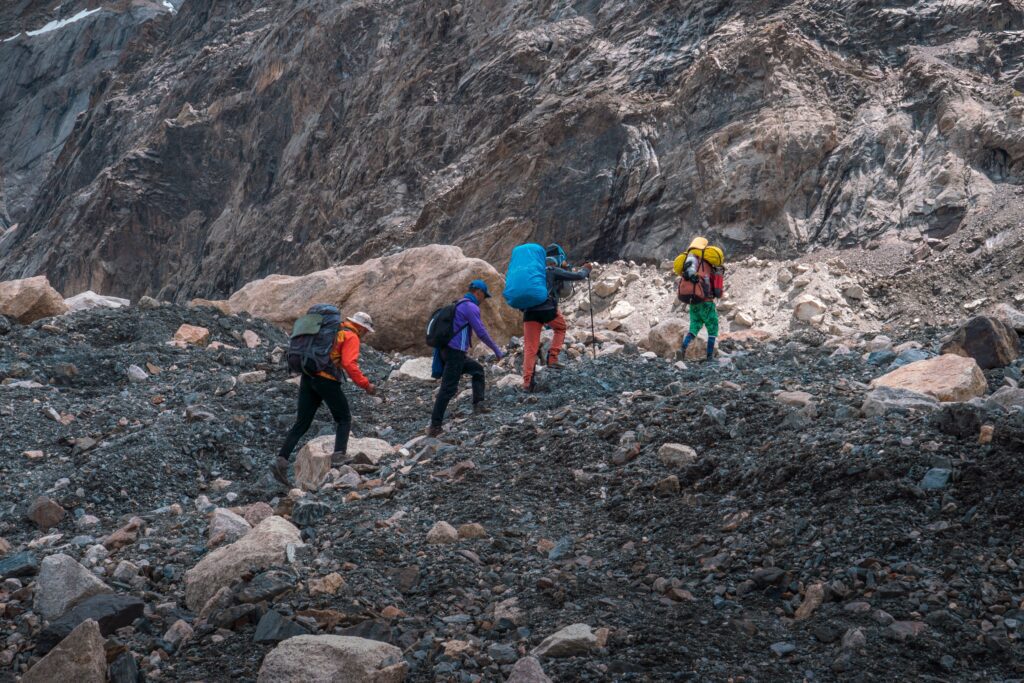
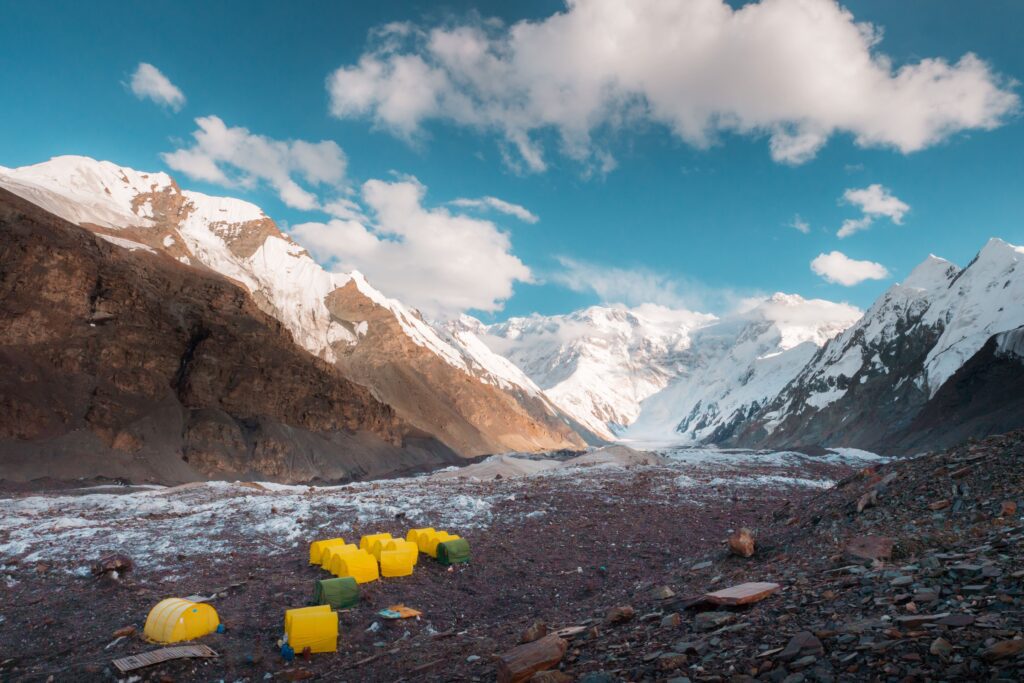
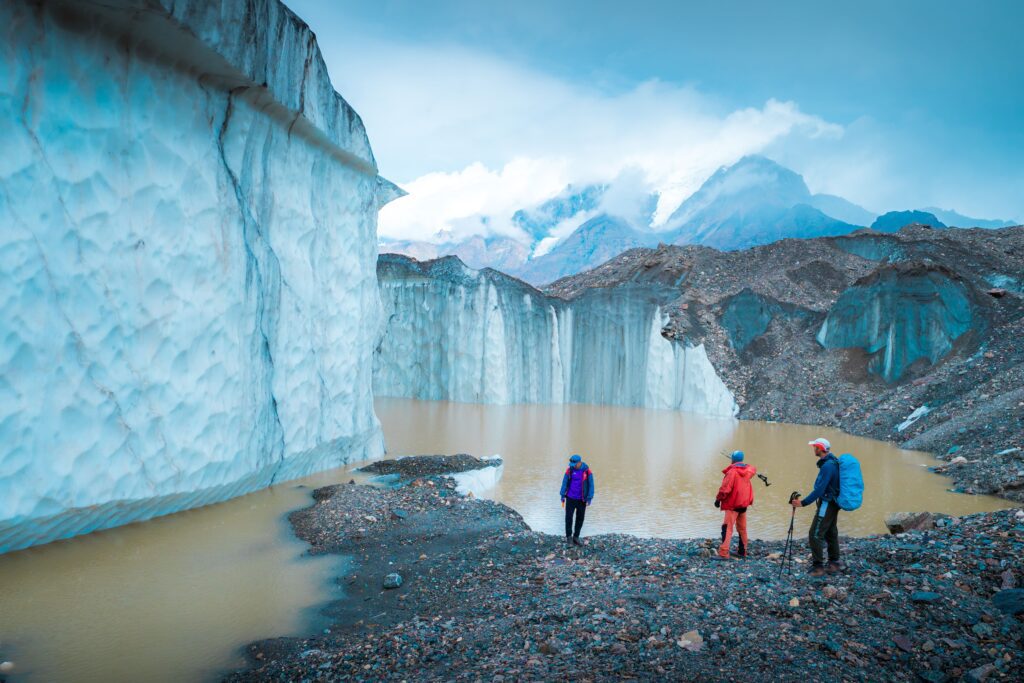
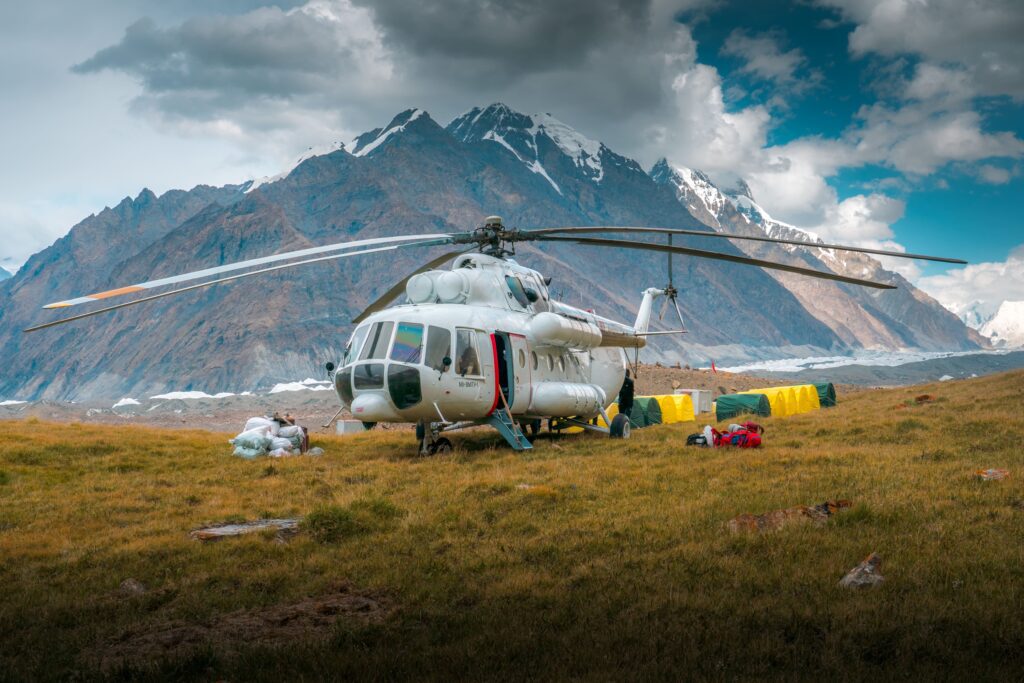
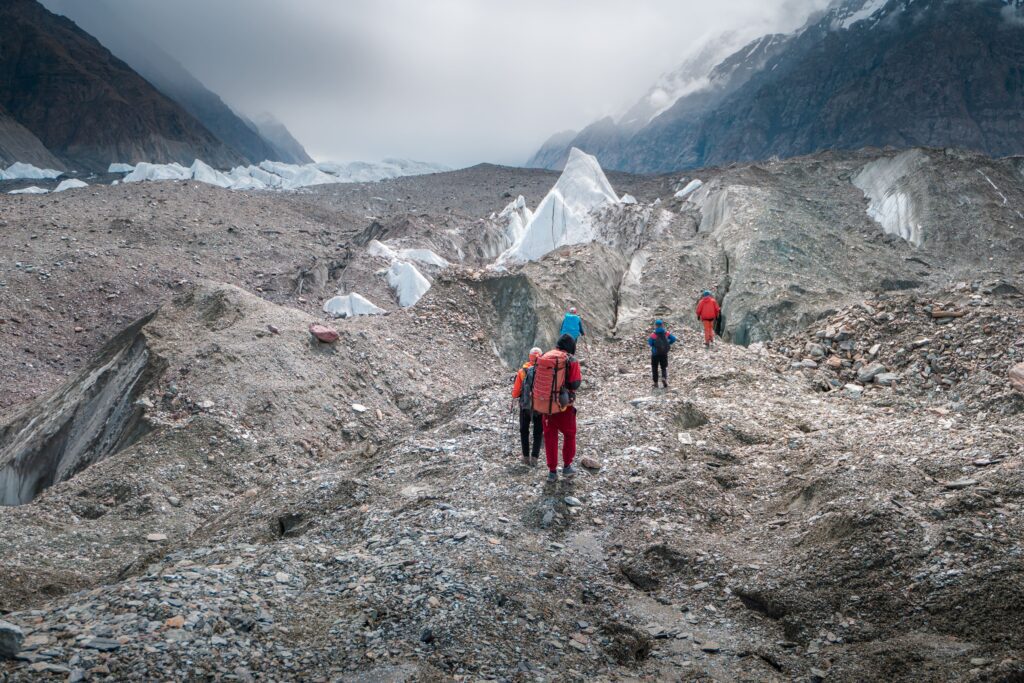
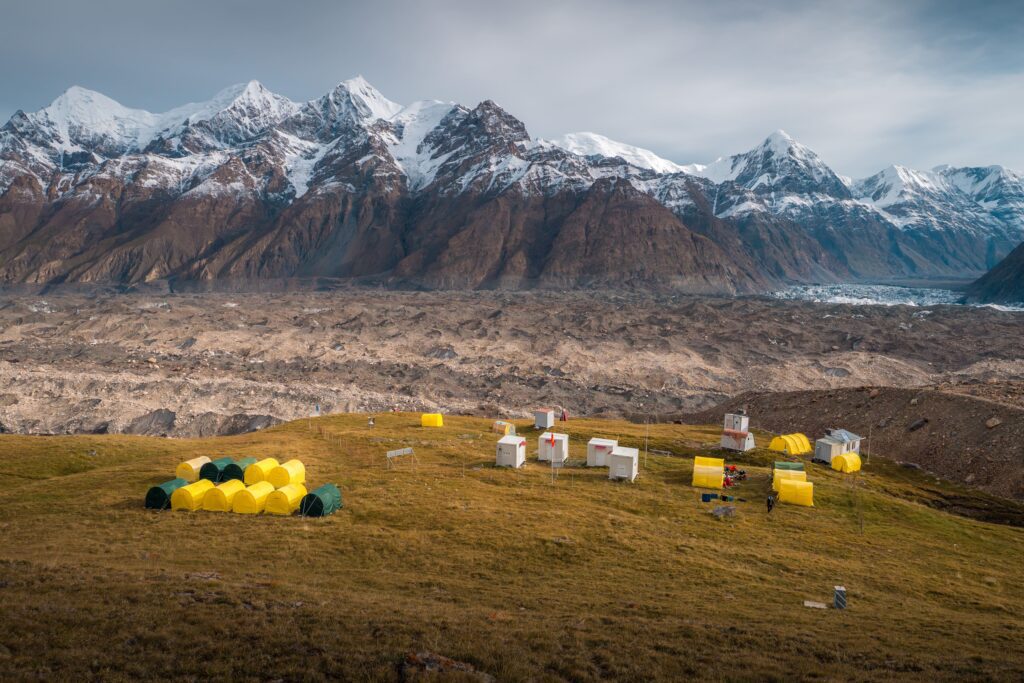
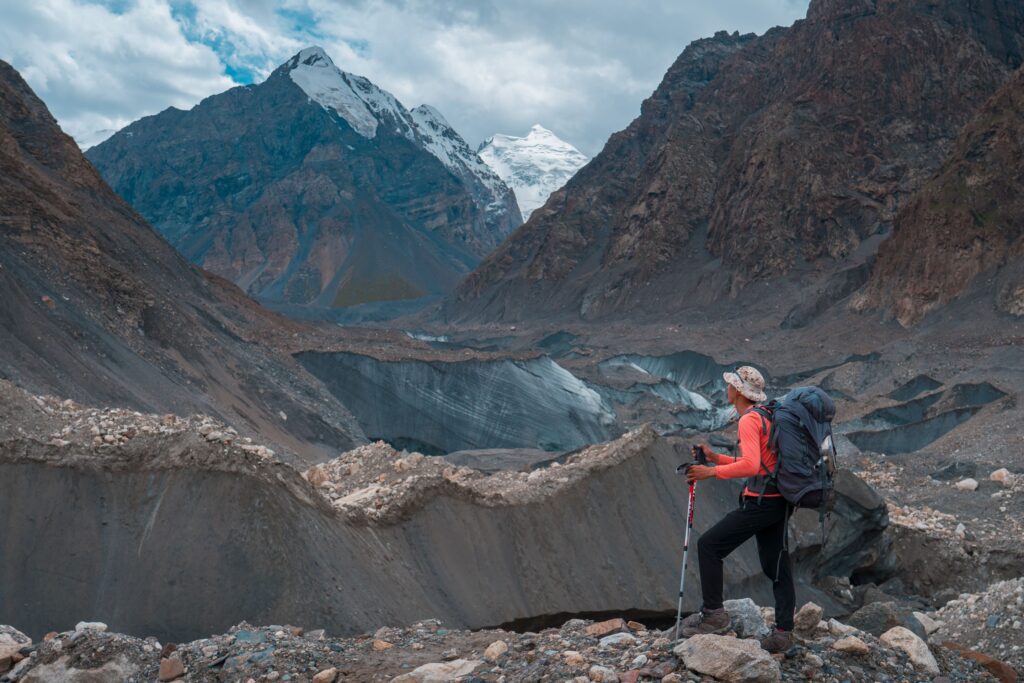
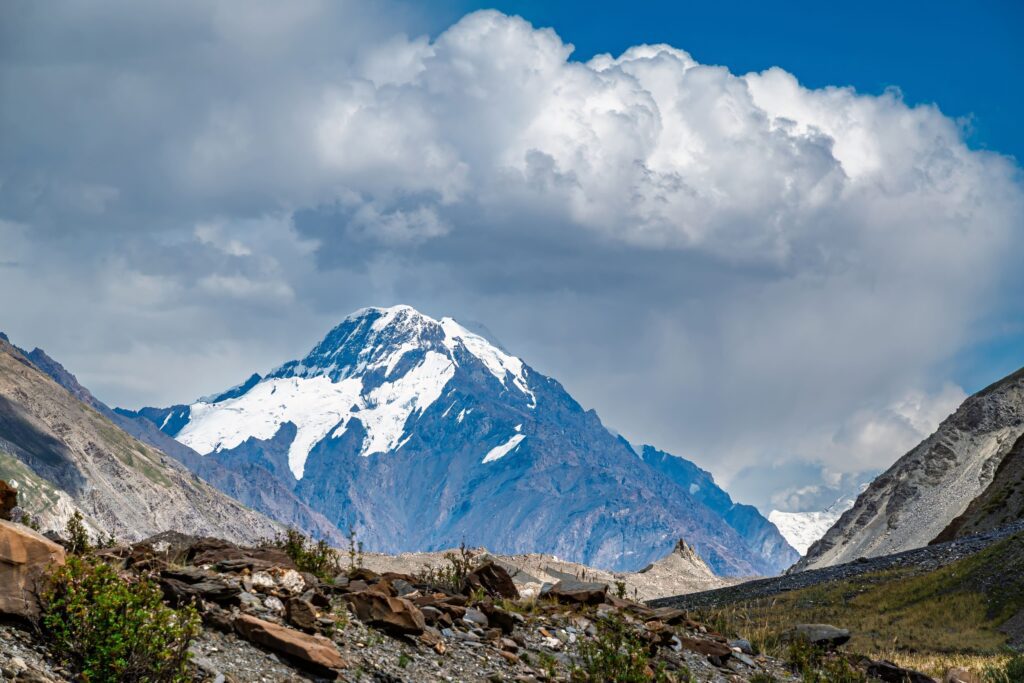
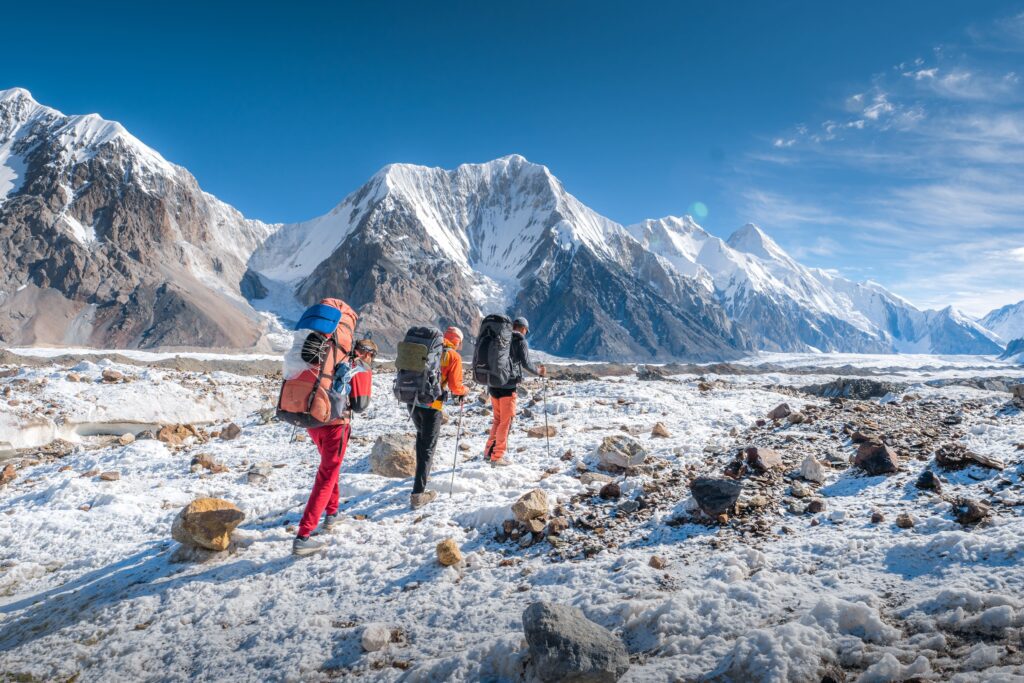
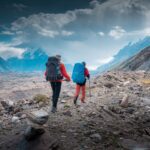
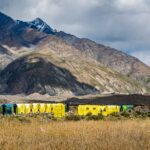
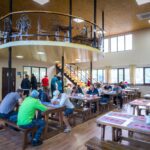
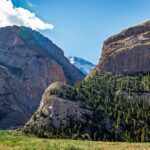
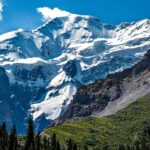
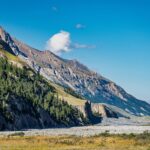
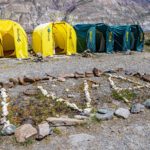
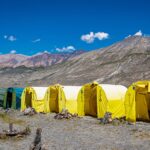
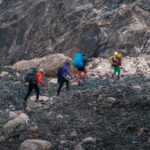
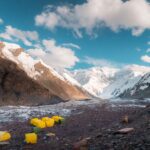
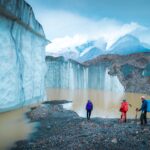
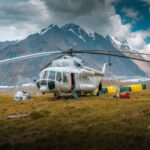
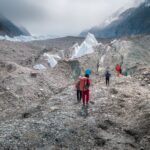
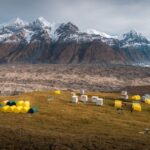
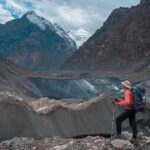
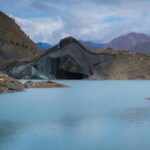
This 13-day trek follows the Engilchek (Inylchek) Glacier, one of the largest mountain glaciers in the world and the approach route to Khan Tengri. The program begins with acclimatisation in the Karkyra Valley, followed by a helicopter flight into the Engilchek Valley. From Prizhim, you walk for five days along the moraine and across the glacier to South Engilchek Base Camp (4,000 m), below Khan Tengri (7,010 m) and Pobeda Peak (7,439 m). After reaching base camp, you fly out and spend the final two days on Issyk-Kul Lake.
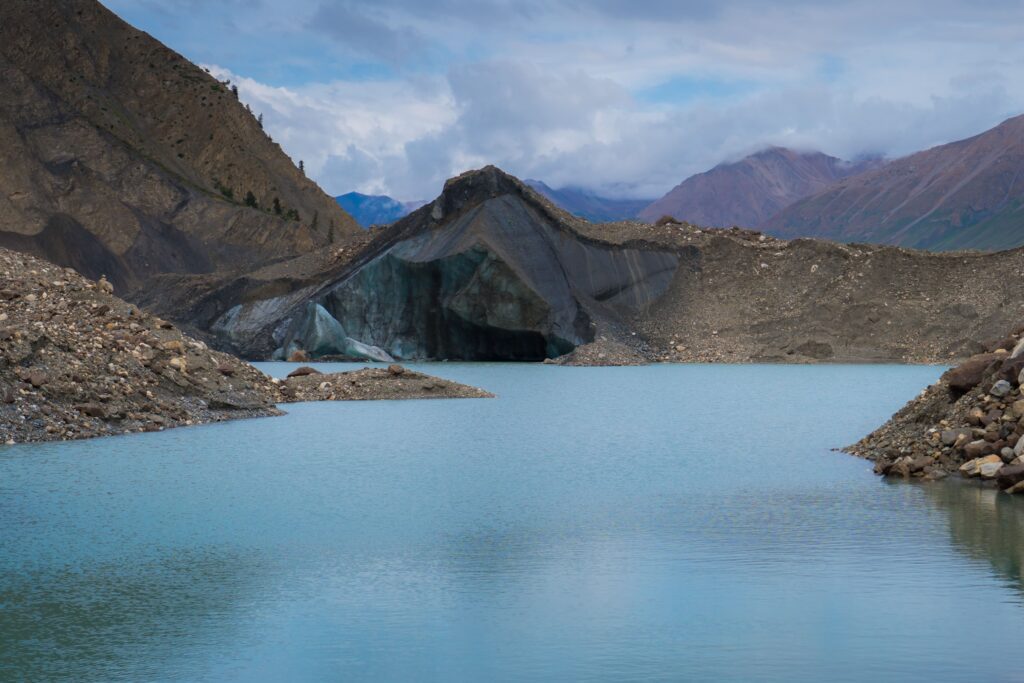
The route follows the lateral moraine to the Putevodny Glacier, climbs steep terraces beneath sections prone to rockfall, and continues onto the ice. Along the way, you pass Merzbacher Lake, its research station, and a green meadow surrounded by remote peaks above 5,000 m. From the lunch stop on Day 8, you can see Khan Tengri, Pobeda, Gorky, Chapaev, and Trekhglavaya peaks.
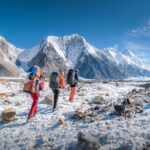
On Day 9, you cross rock, ice, streams, lakes, and crevasses to reach South Engilchek Base Camp. Ropes and crampons are not required, but the uneven glacier terrain demands careful footing. This is glacier trekking, not mountaineering, but it is physically demanding. Afternoon winds and falling temperatures make proper clothing essential.
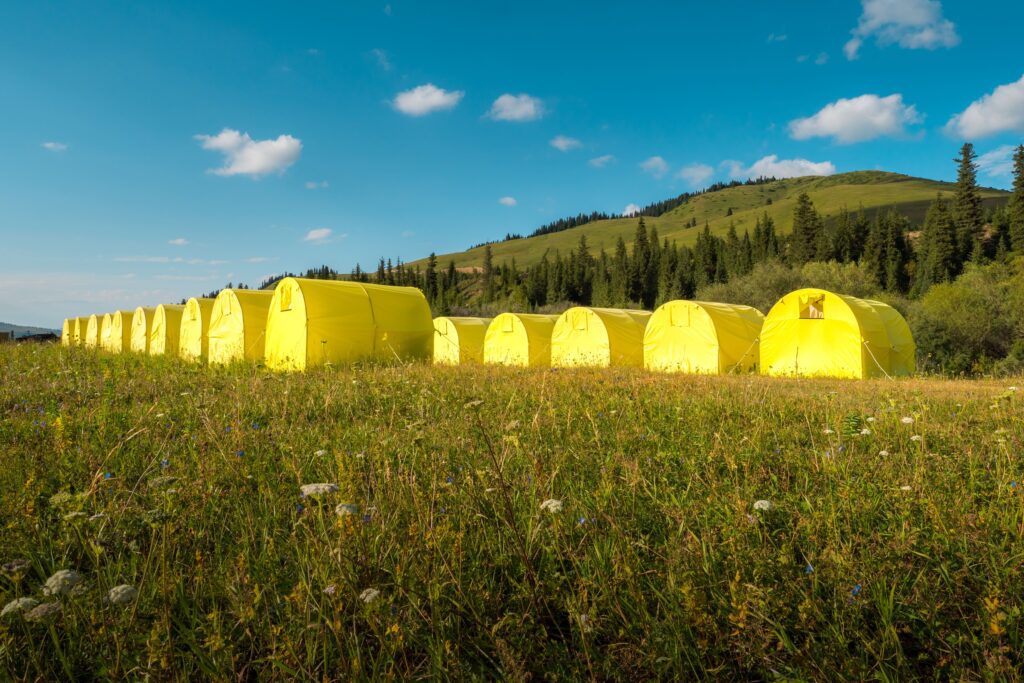
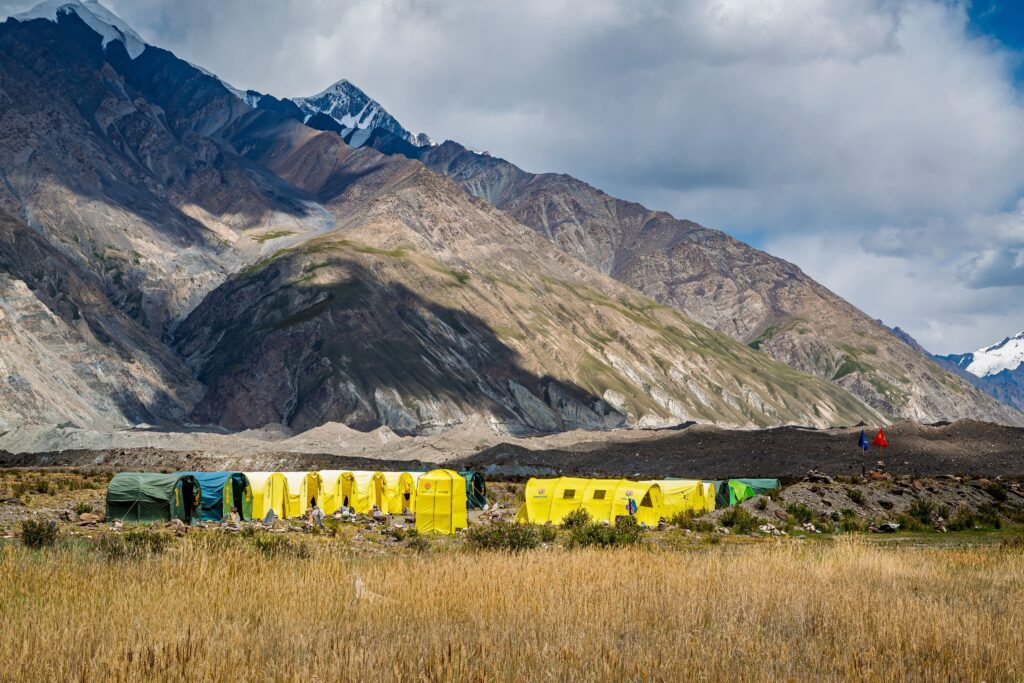
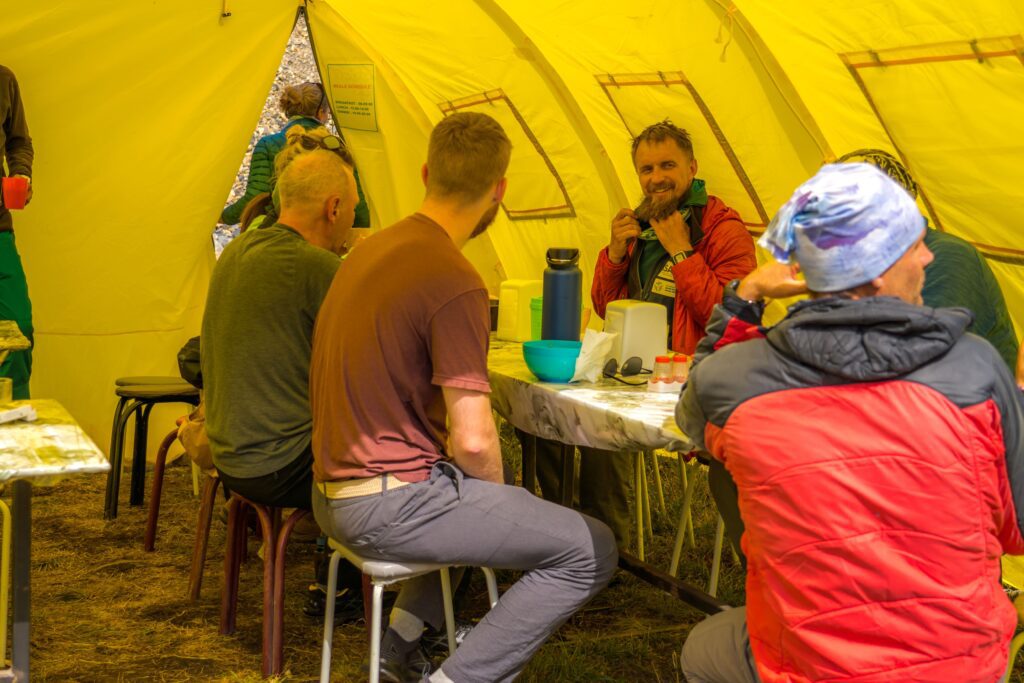
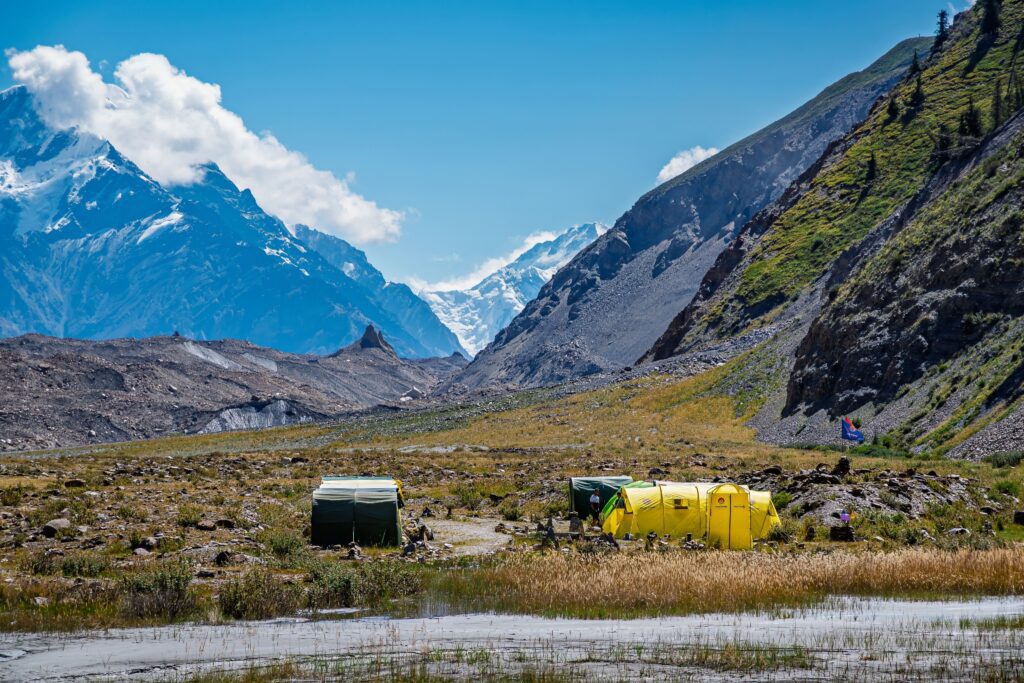
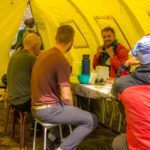
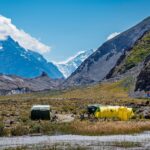
Porters carry your main luggage between camps, so you walk with a daypack. Overnight stops are in tent camps with a dining tent and cook.
Five days on the Engilchek Glacier: Trek across one of the world’s largest mountain glaciers, following its changing surfaces of dark moraine, white ice, and layered sediment.
Merzbacher Lake: Visit the lake and its research station, where scientists study glacier movement, climate, and the lake. Across the water lies one of the last green meadows in the valley.
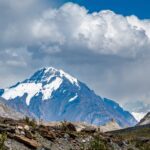
South Engilchek Base Camp (approximately 4,000 m): Reach the base camp below Khan Tengri (7,010 m) and Pobeda Peak (7,439 m), with views of Gorky, Chapaev, and Trekhglavaya peaks.
Helicopter access to the Engilchek Valley: Fly in and out of this remote area, reaching it on foot is possible but requires a much longer approach.
Nansen Peak (5,690 m) and the Engilchek Valley panorama: See the mountain ridge that geographer Gottfried Merzbacher described in 1902 as one of the world’s most impressive alpine panoramas.
Acclimatisation in Karkyra: Spend two days preparing for the glacier trek, including a hike over Chymyn-Sai Pass (2,700 m) through a gorge with summer yurts belonging to local herder families.
Two days at Issyk-Kul Lake: Visit petroglyphs at Cholpon-Ata and enjoy a full free day by the lake.
A good fit if you:
Probably not the right trip if you:
Our guide meets you at Manas International Airport and transfers you to a hotel. Early check-in is not included.
After a rest, a city tour: the Manas Monument, Ala-Too Square, the State Historical Museum, Oak Park, the Fine Art Gallery, and Victory Square.
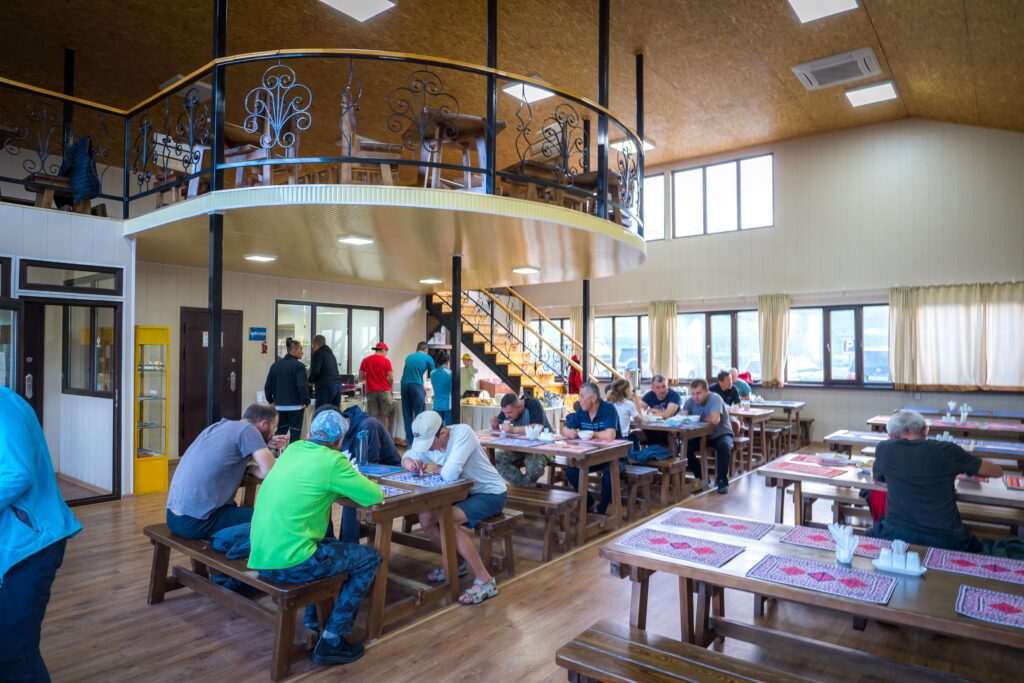
Lunch and dinner are in local cafés.
Overnight: hotel, Bishkek.
Meals: lunch, dinner.
Drive east through Boom Gorge and along the northern shore of Issyk-Kul Lake. Stop for lunch at a café in Cholpon-Ata, then continue through Tup village to Karkyra Camp.
Free time at the camp.
Overnight: Karkyra camp.
Meals: breakfast, lunch, dinner.
Take an easy walk across alpine terrain to Chymyn-Sai Pass (2,700 m), along the Kyrgyzstan–Kazakhstan border. The hike is not difficult, but the route requires a guide familiar with the area. This walk is the first step in acclimatisation before reaching higher altitudes. The trail follows a wide gorge where local herder families set up their yurts during the summer.
Overnight: Karkyra camp.
Meals: breakfast, lunch, dinner.
Fly by helicopter into the Engilchek Valley and land at Prizhim, where the trek begins. From here, walk up the valley towards the foot of the Engilchek Glacier, with views of Nansen Peak (5,690 m) and Tyuz Pass (4,001 m).
In 1902, geographer Gottfried Merzbacher described this mountain panorama as one of the most impressive in the world. By then, he had already explored the Alps, the Caucasus, the Himalaya, and the Karakoram.
Continue to Iva Camp, arriving in the afternoon.
Overnight: Iva tent camp.
Meals: breakfast, lunch-box, dinner.
Follow the lateral moraine of the Engilchek Glacier towards its junction with the Putevodny Glacier. The route involves repeated steep ascents and descents, requiring good stamina. Take care when crossing sections exposed to rockfall. Stop for lunch on the glacier.
In the afternoon, climb another steep terrace along a narrow trail. The camp is located on a green clay plateau, where hot tea awaits on arrival.
Overnight: Glina tent camp.
Meals: breakfast, lunch-box, dinner.
Continue across a series of terraces, with repeated ascents and descents. The distance is only 9–10 km in a straight line, but the uneven terrain makes this a long day of trekking. Cross a small glacier and a river before stopping for lunch beside a mountain lake.
About an hour later, arrive at camp on Merzbacher Meadow, the last grassy area in this part of the valley. The camp overlooks Merzbacher Lake. Each summer, scientists work at the nearby glacier research station, studying the ice, climate, and lake.
Overnight: Polyana tent camp.
Meals: breakfast, lunch-box, dinner.
A long day of trekking through snow slopes, cliffs, and bands of black, white, and multicoloured ice. Follow the terraces on the right side of the valley, descending gradually towards the Shokalsky Glacier. From there, reach the dark moraine deposited by the Komsomolets Glacier and continue onto the ice.
The terrain is broken by mountain streams and deep crevasses, with frequent steep ascents and descents. Finding a safe route around these obstacles takes time and careful footing.
Spend your first night on the glacier. From around 16:00, the wind usually picks up and temperatures drop sharply, making warm drinks at camp especially welcome.
Overnight: Komsomolskiy tent camp.
Meals: breakfast, lunch-box, dinner.
Cross the moraine of the Proletarsky Glacier, then climb to the middle section of the Dikii Glacier moraine and continue onto the glacier. The first part of the route is uneven, with repeated ascents and descents. Further on, the moraine becomes smoother, and crevasses and meltwater streams become less frequent.
The route passes through a remote area surrounded by unnamed peaks above 5,000 m, many of which remain unclimbed. From the lunch stop, you can see Khan Tengri, Pobeda, Gorky, Chapaev, and Trekhglavaya peaks at the same time.
Overnight: Dikiy tent camp.
Meals: breakfast, lunch-box, dinner.
Cross the glacier to the central moraine, where South Engilchek Base Camp is located. The route passes over rock, ice, streams, glacial lakes, and crevasses. Ropes and crampons are not required, but the uneven glacier surface calls for careful footing throughout the crossing.
Located at approximately 4,000 m on the South Engilchek Glacier in the Central Tien Shan, the base camp lies beneath Khan Tengri (7,010 m) and Pobeda Peak (7,439 m). Every summer, climbers from around the world gather here for expeditions to these peaks.
Overnight: South Engilchek Base Camp.
Meals: breakfast, lunch, dinner.
Fly by helicopter back to Karkyra. After breakfast, transfer to a hotel on the shore of Issyk-Kul Lake, stopping for lunch at a café along the way.
Visit the Stone Garden in Cholpon-Ata, an open-air archaeological site with rock carvings associated with the Scythian and Xiongnu cultures, dating from the 9th–8th and 3rd–4th centuries BC. Located at the foot of the Kungei Ala-Too Range, the site overlooks Issyk-Kul Lake. Dinner is served at the hotel.
Overnight: hotel, Issyk-Kul.
Meals: breakfast, lunch, dinner.
A free day with no scheduled activities or transfers. Swim in Issyk-Kul Lake, walk along the shore, or simply relax at the hotel. After nine days in the mountains, you may prefer to take it easy.
Overnight: hotel, Issyk-Kul.
Meals: breakfast, lunch, dinner.
Drive back to Bishkek, stopping at Burana Tower, a minaret that marks the site of Balasagun, the former capital of the Karakhanid state. Explore the surrounding archaeological site, including its collection of balbals, ancient Turkic stone figures.
Stop for lunch along the way.
Upon arrival in Bishkek, check into your hotel and have dinner there.
Overnight: hotel, Bishkek.
Meals: breakfast, lunch, dinner.
Breakfast at the hotel and transfer to Manas International Airport for your departure flight.
Meals: breakfast.
| Departure Date | Availability | Price | |
|---|---|---|---|
| 3 July 2027 – 15 July 2027 | Spots Available | $3,200 | |
| 17 July 2027 – 29 July 2027 | Spots Available | $3,200 | |
| 31 July 2027 – 12 August 2027 | Spots Available | $3,200 | |
| 14 August 2027 – 26 August 2027 | Spots Available | $3,200 |
| Accommodation basis | Price |
|---|---|
| Double/twin occupancy | $3,200 |
| Single occupancy (hotels) | +$110 |
| Single occupancy (tents) | +$180 |
Porter Services
This trek suits people with some hiking experience at altitude, in good physical condition and good health. You walk six days on moraine and glacier, over crevasses, streams, ice, and rock, with steep climbs and drops all day and sections where rock falls. Day 5 is the most physically demanding. On Day 9, the walk to base camp is shorter but the terrain is more difficult.
No ropes and no crampons are needed on the route, and no climbing skills. What you need is fitness, sure feet, and the willingness to camp on ice in real cold. From about four in the afternoon on the glacier the wind comes up and the temperature drops, and it stays cold all night.
Two acclimatisation days at Karkyra come before you fly in, which is why they are in the itinerary rather than being a bonus.
The trek runs in July and August, the short window when the helicopter flights over the Engilchek operate and the glacier camps are staffed. Weather in this range changes quickly, and the route can be adjusted for weather or conditions. Helicopter flights depend on the weather too.
Twelve nights: two in Bishkek hotels, two at our Karkyra camp, six in our camps on the glacier, and two in a hotel on Issyk-Kul.
We have kept permanent camps along our routes since 2010 and improve them each season, so nothing is carried in and pitched on the day you arrive.
Full board runs the whole trip: 12 breakfasts, 12 lunches, and 12 dinners. During the trekking days, meals are prepared by camp cooks, and packed lunches are provided each morning for you to take on the trail. Boiled drinking water is available along the route, so bring reusable water bottles to refill throughout the trek.
You will need:
Worth bringing:
Many European, UK, and US travellers can enter Kyrgyzstan visa-free for up to 30 days within any 60-day period. Check the current rule for your nationality before you book.
The local currency is the Kyrgyz som (KGS). Bank cards are accepted in Bishkek; outside the capital, plan to pay in cash.
If you bring US dollars or euros to exchange, bring notes of 50 and 100 in clean condition, without stamps, inscriptions, or damage, as damaged banknotes are not accepted by banks and exchange offices. US dollar notes must be issued from 2009 or later. Euro notes should be no larger than 100.
Tips are not required and are not included, but they are welcome. As a guide, travellers budget around $7 to $10 per person per day, shared among the guide, driver, and porters. The amount is yours to decide.
Do I need climbing skills, ropes, or crampons? No. The whole route, including the crossing to base camp on Day 9, is walked without ropes or crampons. What it asks for is fitness, sure feet on broken ground, and some experience of walking at altitude.
How cold does it get on the glacier? Cold, and it turns quickly. From about four in the afternoon the wind comes up and the temperature drops well below what you have had on the earlier days. Bring proper layers and check your sleeping bag rating.
What happens if the helicopter cannot fly? Helicopter flights into the Engilchek Valley depend on weather conditions in the mountains. If a flight is delayed or cancelled, the group may have to wait at Karkyra Camp / South Engilchek Base Camp until conditions improve.
Do I carry my own baggage? No. Your main baggage is carried between camps and you walk with a daypack. The allowance is 12 kg per person, and above that the surcharge is $20 per extra kilogram for the whole trek.
Is this the same base camp used by climbers attempting Khan Tengri? Yes. South Engilchek Base Camp is our camp, located at 4,000 m on the glacier and serves as a starting point for Khan Tengri expeditions. You reach the camp on foot by crossing the glacier and fly back by helicopter.
What is Merzbacher Lake? Merzbacher Lake is a glacial lake in the upper Engilchek Valley, between the northern and southern branches of the Engilchek Glacier. It forms as meltwater collects behind a natural ice dam. The lake is known for periodic outbursts, when water escapes through or beneath the glacier. It is also an important site for scientific research on glaciers, climate, and glacial lakes.
No reviews yet.
Ak-Sai Travel has organized tours across Kyrgyzstan’s mountains, valleys, and nomadic regions since 1998, led by our local team.
Guides grew up in these mountains and valleys, so you get straight answers about the route, the weather, and the culture from people who know the ground firsthand.

Ak-Sai Travel owns and runs the transport, the guides, and the camps you stay in, so one local team handles your whole trip and looks after you if a plan changes.

You stay in traditional Kyrgyz yurt camps and have lunch in local family homes, experiencing Kyrgyz culture through where you stay and where you eat.

Ak-Sai Travel has been organizing tours and mountain expeditions across Kyrgyzstan and Central Asia since 1998, using routes that have been tested and refined over decades.
Looking for a different route or trip length? Discover other trekking programs across Kyrgyzstan.
 Trekking
from $950
An eight-day trek from Osh into the Pamir Mountains, crossing Dzhiptyk Pass (4,185 m) and the Alay Valley before reaching Yukhin Peak (5,130 m) via Achyk-Tash Base Camp and Camp 1. The classic route requires no technical climbing skills, but good physical fitness and previous hiking experience are required.
 Trekking
from $1,500
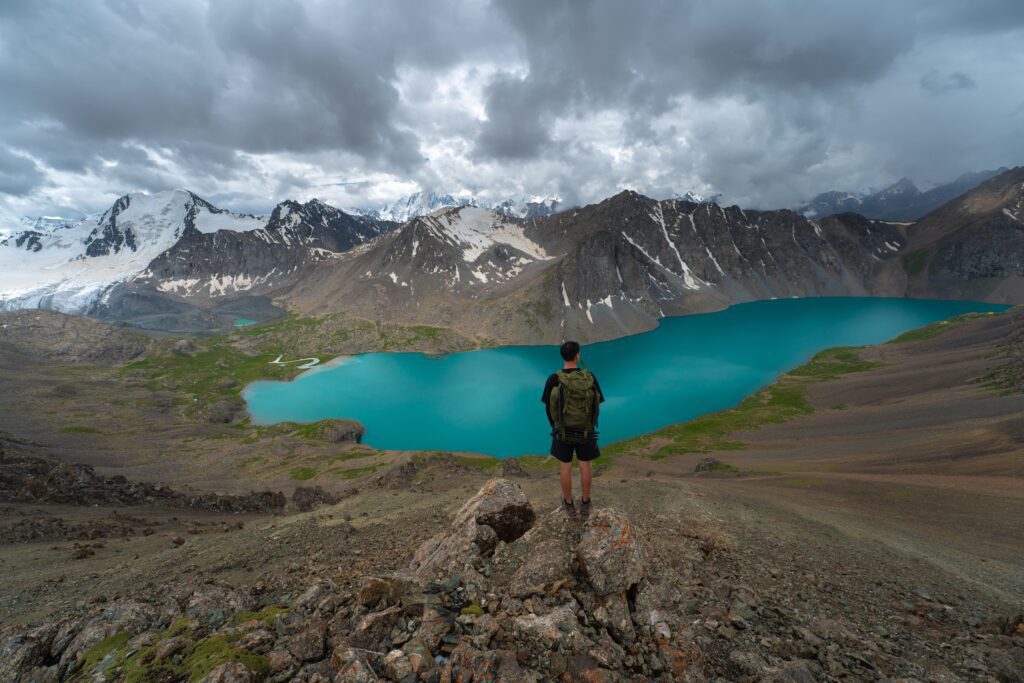
A nine-day guided trek from Bishkek through the mountains of Kyrgyzstan to Ala-Kul Lake and Altyn-Arashan, crossing two mountain passes at elevations of up to 3,800 m. Camp beside the alpine waters of Ala-Kul Lake and finish the trek with a relaxing soak in the natural hot springs of Altyn-Arashan. The route includes five trekking days, with 5–7 hours of walking per day and overnight stays in yurts and tents. Porters carry your main luggage, while our fully equipped camps operate throughout the trekking season, with accommodation and meals ready upon your arrival.
 Trekking
from $2,450
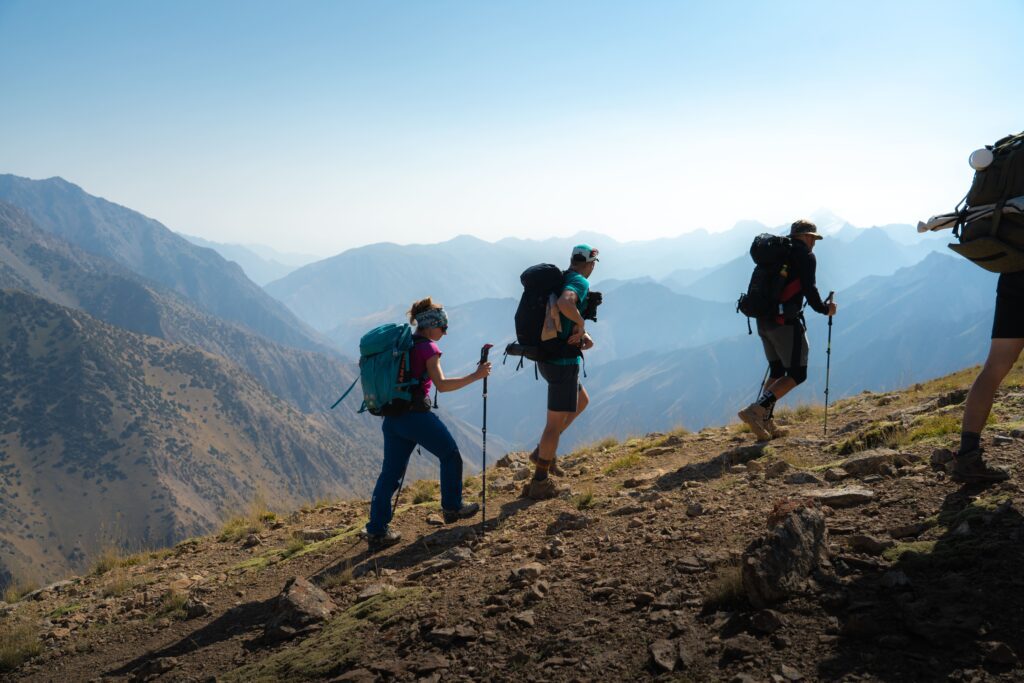
A 14-day trek through the granite landscapes of the Karavshin, known among climbers as Asian Patagonia. The route crosses five mountain passes, reaching a high point of 4,390 m, and passes beneath the towering rock faces of Pyramidal Peak (5,509 m) and Ak-Suu Peak (5,355 m). Accommodation includes our permanent tent camps along the route and stays with local Kyrgyz families in Uzgurush. This is a physically demanding trek for experienced hikers with good fitness, comfortable with long consecutive walking days and remote mountain terrain.
Discuss your travel plans with our tour manager and find the right trip.
Send us your inquiry, and we'll reply within 24 hours.
Thanks for reaching out. We'll get back to you on WhatsApp shortly.
We will contact you shortly.

Order tickets for your destination through our manager.