




Order tickets for your destination through our manager.
Kyrgyzstan is a country of mountains, where 90% of its territory is covered by the Tien Shan and Pamir ranges. Its peaks amaze with their height, unique nature, and diverse routes. For tourists and climbers, Kyrgyzstan offers activities including trekking, glacier traverses, and challenging ascents of seven-thousanders. This article will explore Kyrgyzstan’s highest peaks, their features, routes, preparation for climbing, and advice for choosing a route based on experience level.

The Tien-Shan and Pamir ranges form the backbone of Kyrgyzstan’s terrain. The highest peaks are located in the eastern and southern parts of the country, including the Pobeda Peak and Lenin Peak groups. Southern slopes are covered with glaciers and steep passes, while northern slopes are gentler and more accessible for trekking. The diversity of climate zones – from dry valleys to glacier fields – requires mandatory acclimatization for all visitors.
The highest peaks are concentrated in the Pamir-Alay and Central Tien-Shan ranges. The main peak groups include Pobeda Peak, Khan-Tengri, and Lenin Peak. Climbers can choose routes of varying difficulty, including the main summit, training camps, and shelters. The southern slope is especially challenging due to glaciers and steep traverses.


The terrain includes glaciers, passes, sharp peaks, and high-altitude plateaus. Climate changes with elevation: from warm valleys to glacier zones on seven-thousanders. Altitude sickness can occur above 3500-4000 meters, so acclimatization is mandatory on all high-altitude routes.
Pobeda Peak is the highest peak in Kyrgyzstan, reaching 7439 meters. It is located in the Tien-Shan and is one of the country’s most challenging seven-thousanders. The main route includes training camps, glaciers, and passes. Pobeda Peak is known for its steep slopes and glacier traverses, requiring mountaineering skills.

Peak Pobeda is unique due to its combination of glacier fields, steep passes, and rocky sections. The southern slope is particularly difficult, while the northern slope is more suitable for preparation and acclimatization. Climbing requires experienced guides, mountaineering skills, and several days of preparation. The main route includes training camps and shelters, which help climbers adapt to the altitude.
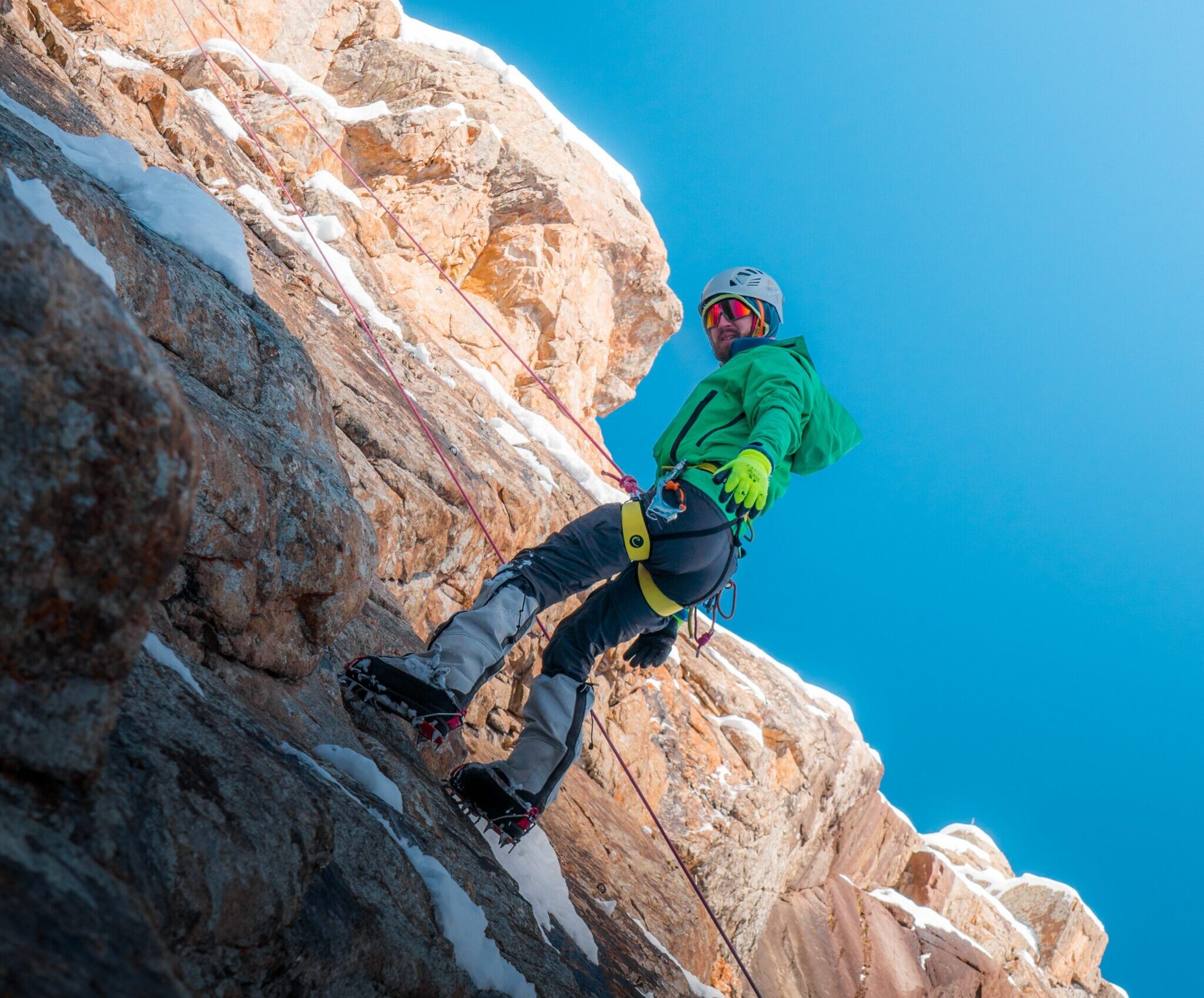
Peak Pobeda expeditions are highly challenging. Beginners can access trekking routes to the base camps. Experienced climbers can attempt a “steel assault” on the main summit, navigating glaciers, traverses, and passes. The main summit requires acclimatization and the ability to use mountaineering equipment.
Each peak offers unique views of the Tien Shan and Pamir. Guides recommend planning routes with consideration for acclimatization and seasonal conditions.
Alternative routes allow climbers to choose paths based on difficulty: from training camps and shelters to main peaks with glacier traverses.


General Recommendations:
When to Plan a Route:
The best season is July–August, with minimal precipitation, stable weather, and comfortable daytime temperatures for safe climbing.
Infrastructure and Logistics:
Advice for Choosing a Peak:
Learn more about our mountaineering tours here
Kyrgyzstan is an ideal country for tourism, mountaineering, and active recreation. The highest peaks of the Tien Shan and Pamir offer unique routes, glaciers, traverses, and breathtaking views. Acclimatization, preparation, and experienced guides ensure a safe and enjoyable mountain adventure.
We will contact you shortly.
Order tickets for your destination through our manager.