
We Operate the Base and High-Altitude Camps
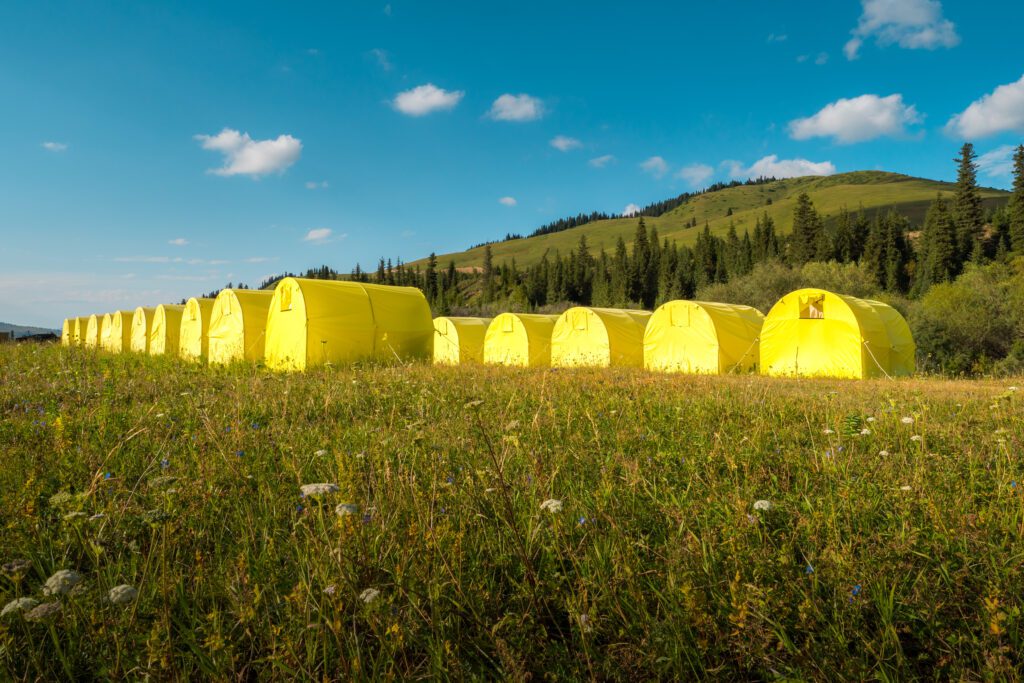
We run the base and high-altitude camps on the mountain, staffed every season, so you arrive to a camp that is already set up and can put your energy into acclimatization, recovery, and the summit push.






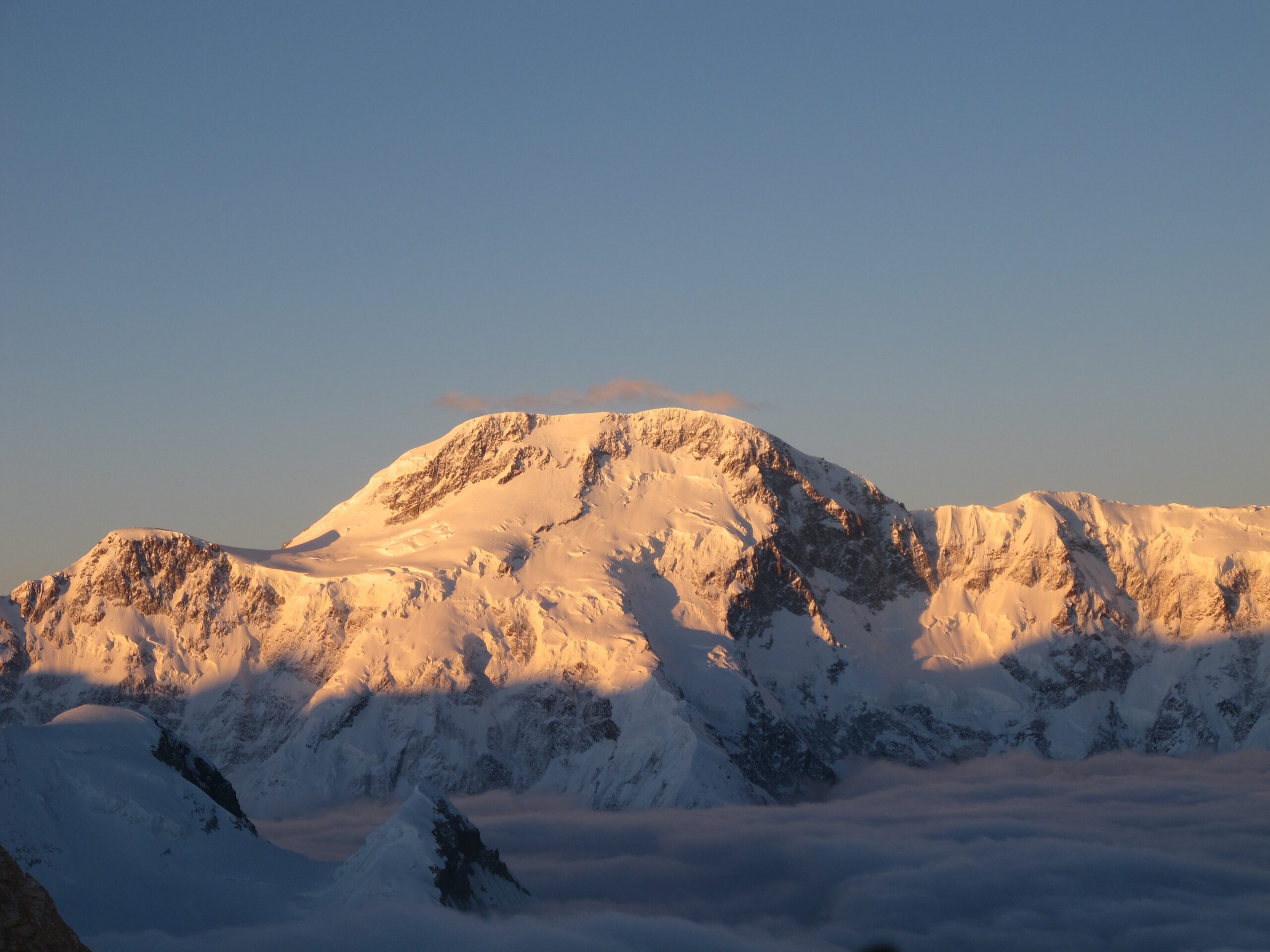




Pobeda Peak (7439 m) is widely regarded as the most difficult and dangerous of the region’s seven-thousanders. Located in the Central Tien Shan / Kokshaal-Too on the border of Kyrgyzstan and China, it is a mountain where altitude, weather, route length, and technical difficulty combine into one of the most serious expedition challenges in Central Asia.
This is not a peak for learning at altitude. It is a mountain for climbers who already understand glacier travel, rope-team movement, long exposure above 6000 m, and the demands of multi-stage summit campaigns.
Known for violent winds, blizzards, and temperatures down to -30°C, Pobeda offers very little margin for error. Successful ascents require strength, technical competence, patience, and disciplined expedition strategy from start to finish.
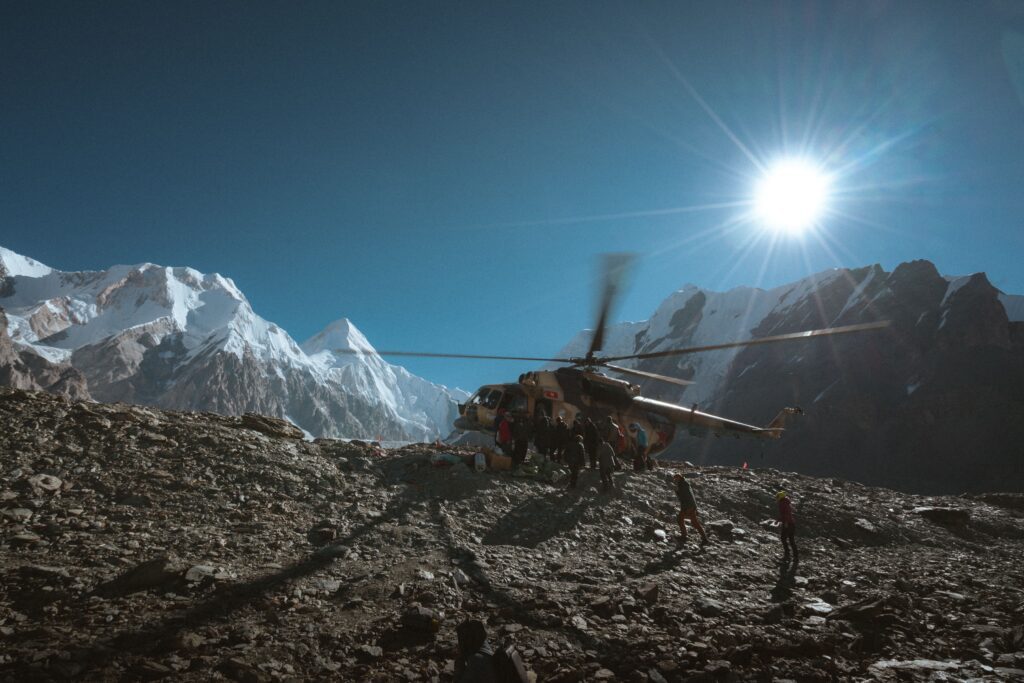
The expedition begins in Bishkek, continues by road to Karkyra, and reaches South Engilchek Base Camp (4000 m) by helicopter.
From there, the climb progresses through a full acclimatization and summit cycle:
❗️All high-altitude camps above base camp are set up by the climbers themselves during the expedition
The route from Base Camp to Camp 1 is considered relatively moderate, with the main difficulties beginning on the glacier above. From there, climbers face increasingly serious terrain, including crevasses, avalanche-prone slopes, steep snow and ice, and a long summit ridge above 7000 m.
This is a full expedition-style ascent where acclimatization rotations, reserve days, and disciplined pacing are essential.
This expedition is best suited for climbers who:
Pobeda Peak is not an introductory 7000 m mountain. It is a high-consequence objective for experienced alpinists only.
This self-guided expedition is built around acclimatization rotations, progressive movement through high camps, and a summit attempt from Camp 5. It is intended for highly experienced climbers capable of operating independently in severe high-altitude terrain.
| Pobeda Peak Self-Guided Expedition | |
|---|---|
| Best For | Experienced, independent climbers |
| Objective | Pobeda Peak (7439 m) |
| Expedition Style | Self-guided |
| Base Camp | South Engilchek Base Camp |
| Terrain | Glacier, snow, ice, exposed ridge |
| Summit Strategy | Independent |
| Key Requirement | Strong prior 6000 m / 7000 m experience |
★ For highly experienced climbers with strong high-altitude and technical background
★ For highly experienced climbers with strong high-altitude and technical background
A self-guided ascent of Pobeda Peak (7439 m) follows a 27-day program designed for acclimatization, high-camp progression, summit positioning, and reserve days for weather.
The expedition begins in Bishkek, continues via Karkyra, and reaches South Engilchek Base Camp by helicopter.
Arrival in Bishkek, transfer to Karkyra, and helicopter flight to South Engilchek Base Camp (4000 m).
Acclimatization walks around Base Camp, equipment checks, and preparation for the first rotation.
Ascent through Camp 1, Camp 2, Camp 3, and Camp 4, followed by descent for recovery.
Rest, recovery, and health monitoring after the first high-altitude push.
Second ascent through the camps, moving progressively to Camp 5 (6918 m) for summit positioning.
Summit day from Camp 5 via the long snow-and-ice ridge to the summit, followed by descent back to the upper camp.
Descent through the high camps back to South Engilchek Base Camp.
Reserve days for weather, delays, or summit flexibility.
Helicopter flight to Karkyra, overland transfer to Bishkek, final hotel stay, and airport departure.
Conditions on Pobeda Peak can change rapidly and severely.
Strong winds, snowstorms, low temperatures, and avalanche risk can all affect movement on the mountain. For safety reasons, the exact summit schedule may vary depending on:
Reserve days are essential on this expedition and form a core part of the summit strategy.
The classic route from the South Engilchek Base Camp via the Semenovsky Glacier icefall, the west ridge of Chapaev Peak, and the southwest ridge leads to the summit of Khan Tengri. It is the most commonly used and established ascent line.
To improve safety on the route:
fixed ropes are installed on the most dangerous sections
crevasse zones are monitored along the glacier
camps are established at key altitude stages (4200 m, 5300 m, 5800 m)
Climbers must still be capable of traveling safely in rope teams and using mountaineering equipment.
Helicopter Schedule
| Month | Dates |
|---|---|
| July | 7, 13, 18, 19, 20, 21, 25, 26, 27 |
| August | 1, 2, 3, 4, 8, 9, 10, 15, 16, 19, 22, 23, 24 |
The best time to attempt Pobeda Peak is during the main summer climbing season from July to August, when access to base camp is most reliable and summit windows are most likely to open.
Even in peak season, Pobeda Peak remains extremely serious. Strong winds, storms, avalanche risk, and severe cold can affect movement at any stage of the expedition. Reserve days are therefore a critical part of the program.
Pobeda Peak Expedition is offered as a self-guided expedition with Base Camp logistics and helicopter access, for highly experienced climbers.
| Package | Price per Person |
|---|---|
| Self-Guided | |
| Economy Package | $1,900 (~166 155 KGS) |
| Basic Package | $3,100 (~271 095 KGS) |
Essential logistics support for experienced climbers:
Includes everything in Economy, plus:
Ready to start planning your climb?
Speak to our Expedition Specialist →Pobeda Peak (7439 m) is one of the most difficult and dangerous 7000 m peaks in Central Asia. This expedition is only suitable for highly experienced climbers with strong high-altitude and technical background.
Participants should already be comfortable with:
Pobeda Peak is not a training objective. It is a serious expedition for climbers who already have substantial experience on major alpine or high-altitude routes.
The expedition begins in Bishkek, Kyrgyzstan.
From Bishkek:
Helicopter transfers operate on fixed schedules and depend on weather conditions.
When submitting your expedition application, please indicate:
Ak-Sai Travel does not operate rescue or evacuation services from Pobeda Peak. Medical support is available at Base Camp, while climbers above Base Camp are responsible for their own safety and must be self-reliant.
Medical consultation and first-aid support are available at South / North Engilchek Base Camp (4000 m) during the climbing season.
Climbers can receive assistance with:
For more serious cases, evacuation procedures may be initiated depending on conditions and insurance coverage.
The route to Pobeda Peak becomes significantly more serious above the lower glacier.
Climbers must be prepared for:
This is a route where even moderate terrain becomes dangerous because of altitude, weather, fatigue, and exposure.
Weather is one of the main objective hazards on Pobeda Peak.
Climbers should expect:
Reserve days are an essential part of the expedition and should be treated as part of the summit strategy, not as optional spare time.
Climbing Pobeda Peak (7439 m) requires full high-altitude expedition equipment suitable for very cold, technical, and committing terrain above 7000 m.
Climbers must bring appropriate equipment for high-altitude mountaineering conditions on a 7000 m expedition.
| Item | Quantity |
|---|---|
| High-altitude double boots | 1 pair |
| Trekking / approach shoes | 1 pair |
| Overboots (optional but recommended) | 1 pair |
Clothing
| Item | Quantity |
|---|---|
| Down expedition jacket / parka | 1 |
| Waterproof jacket & pants (Gore-Tex or equivalent) | 1 set |
| Insulating fleece / Polartec layers | 1–2 sets |
| Thermal base layers | 1–2 sets |
| Warm hat | 1 |
| Balaclava | 1 |
| Insulated gloves | 1 pair |
| Windproof overmitts | 1 pair |
| Warm socks | 2+ pairs |
| Additional socks | as needed |
Sleeping & Personal Gear
| Item | Quantity |
|---|---|
| High-altitude sleeping bag | 1 |
| Sleeping pad | 1 |
| Expedition backpack (approx. 85L) | 1 |
| Thermos | 1 |
| Headlamp | 1 |
| Spare batteries | 1 set |
| Sunglasses | 1–2 pairs |
| Sunscreen | 1 |
| Folding knife | 1 |
| Cup / mug | 1 |
| Spoon | 1 |
Technical Equipment
| Item | Quantity |
|---|---|
| Climbing harness | 1 |
| Crampons | 1 pair |
| Avalanche shovel | 1 |
| Ice axe | 1 |
| Carabiners | 4 |
| Ice screws | 2 |
| Ascender (jumar) | 1 |
| Descender (figure-8 or equivalent) | 1 |
| Helmet | 1 |
| Trekking poles | 1 pair |
| Accessory cord (repschnur) | 3 m |
Certain equipment can be rented from Ak-Sai Travel, subject to availability.
Please confirm availability with the expedition manager in advance. Equipment is issued at Base Camp.
Additional logistics and services are available at South / North Engilchek Base Camps and higher camps during the climbing season.
These services help climbers manage accommodation, meals, equipment, and logistics throughout the expedition.
| Service | Price |
|---|---|
| Tent accommodation (2 people), electricity, water, toilet — Camp Karkyra | $15 / tent / night |
| Tent accommodation (2 people), electricity, water, toilet — Base Camp | $20 / tent / night |
| Tent accommodation with breakfast & dinner — Camp Karkyra | $50 / person |
| Tent accommodation with full board meals — Base Camp | $100 / person |
| Service | Price |
|---|---|
| Tent rental | $100 / program |
| Service | Price |
|---|---|
| Breakfast / Lunch / Dinner (Base Camp or Camp 1) | $30 / meal |
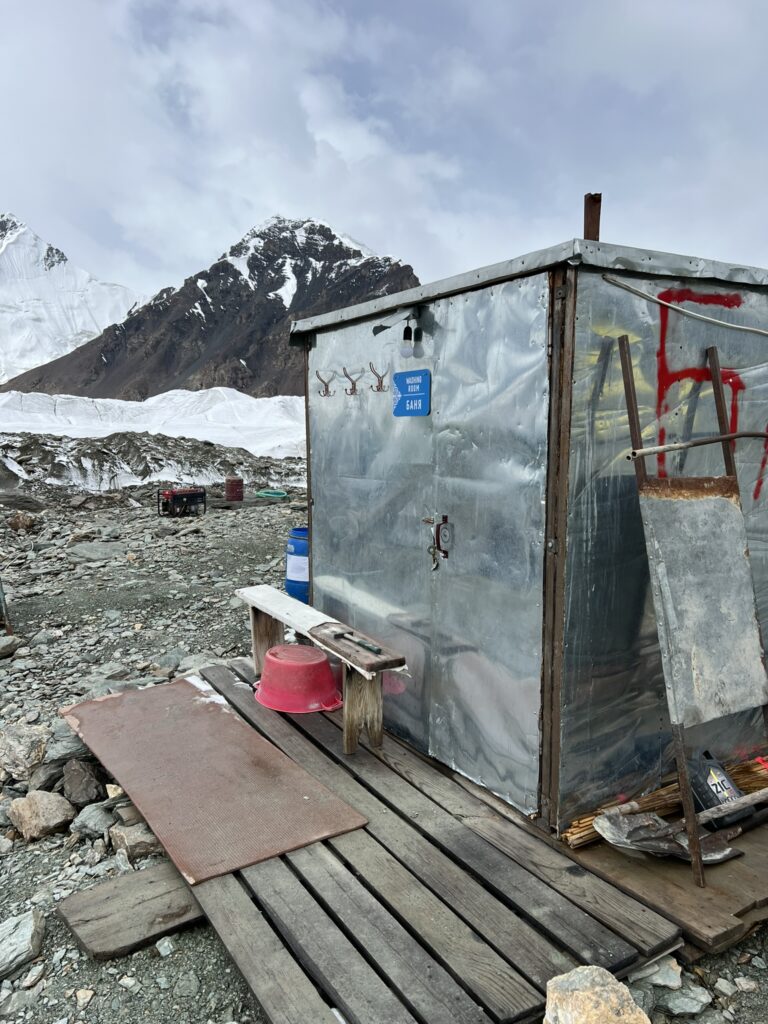
| Sauna at Base Camp (capacity 4 people) | $35 / 2 hours |
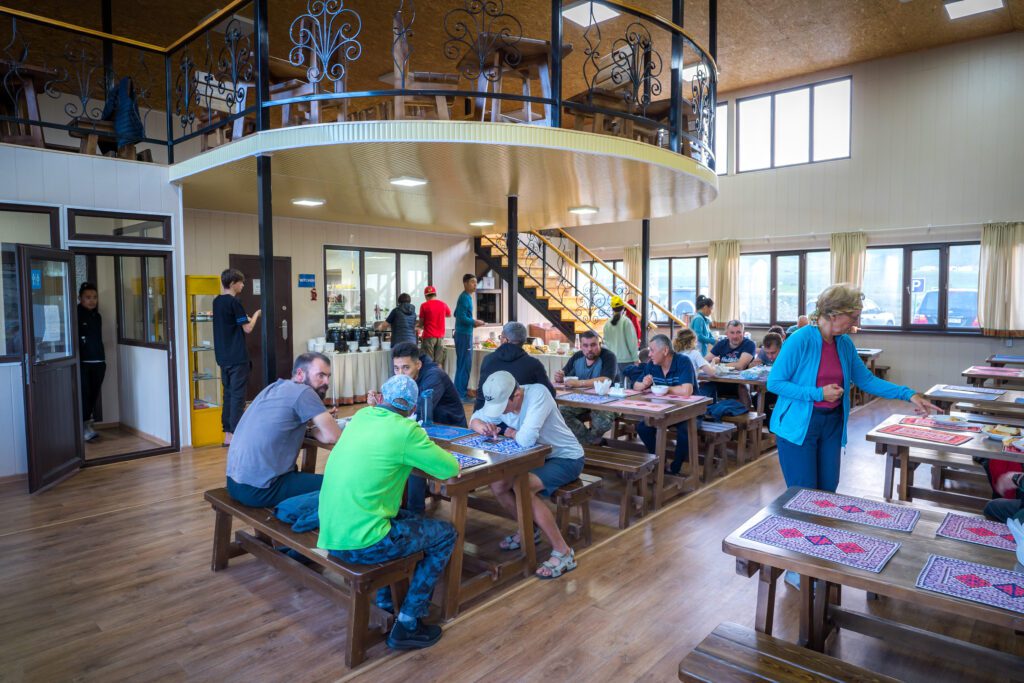
At base camp, early breakfasts are available between 03:00–04:00 for summit rotations.
| Item | Price |
|---|---|
| Gas cartridge 230 g (Kovea / Coleman) — Base Camp | $15 |
| Item | Price |
|---|---|
| Oxygen cylinder | $950 |
| Mask and regulator rental | $500 |
| Deposit for empty cylinder | $50 |
The expedition begins in Bishkek, Kyrgyzstan. Participants travel by road to Karkyra Camp (2200 m), located approximately 8 hours from Bishkek.
Transport options include scheduled group transfers and private transfers.
| Route | Price |
|---|---|
| Bishkek → Karkyra Camp | $50 / person |
| Karkyra Camp → Bishkek | $50 / person |
Available for smaller groups or climbers with flexible travel schedules.
| Vehicle | Capacity | Price |
|---|---|---|
| Minibus (Mercedes Sprinter) | up to 10 people | $300 one way |
| Minivan / Jeep | up to 4 people | $250 one way |
| Service | Price |
|---|---|
| Helicopter flight: Karkyra ↔ Base Camp | $600 one way |
| Hotel accommodation in Bishkek | On request |
| Airport transfers | On request |
Climbers should indicate their expected arrival date at Base Camp and return date to Bishkek when submitting the expedition application.
During the climbing season, Karkyra Camp provides buffet-style meals including breakfast, lunch, and dinner designed to support the energy demands of high-altitude climbing.
At South / North Engilchek Base Camps, early breakfasts are available between 03:00–04:00 for climbers starting acclimatization rotations or summit pushes.
For higher camps, climbers may bring their own food supplies or purchase additional expedition food at Base Camps, including instant meals and freeze-dried dishes.
Basic expedition foods are available for purchase at Base Camp.
| Item | Price |
|---|---|
| Instant noodles | $2 |
| Instant buckwheat flakes | $2 |
| Instant mashed potatoes | $2 |
| Instant oatmeal | $2 |
| Instant soup | $2 |
| Crispbread | $3 |
| Yashkino crackers | $3 |
| Chocolate bars (Snickers, Bounty) | $3 |
| Item | Price |
|---|---|
| Sliced veal (vacuum packed) | $15 |
| Canned stewed meat | $10 |
| Canned fish | $5 |
| Pâté | $5 |
| Hunter’s sausages | $10 |
| Sandwich cheese | $5 |
| Item | Price |
|---|---|
| Jam | $5 |
| Kissel drink mix | $1 |
To book, simply speak with our expedition specialist through the contact section on this page or by WhatsApp.
Expedition manager will review your request and help confirm:
Once everything is confirmed, we will send you the form to complete your reservation.
Before the expedition begins, participants will need to provide:
Pobeda Peak is intended only for highly experienced climbers.
This expedition is not suitable for beginners or as a first 7000 m peak.
Some expedition expenses are not included in the standard packages.
Typical additional costs may include:
A full list of optional services and prices will be available in the expedition application form.
No, Ak-Sai Travel can’t coordinate rescue operations.
The main climbing season is July and August, when weather conditions are typically most stable.
However, weather in the Tien Shan Mountains can change quickly, which is why expeditions include reserve days for summit attempts.
Only included in Basic package.
A representative from Ak-Sai Travel will meet you at the airport in Bishkek and assist with transfers to your hotel and onward transport to Karkyra Camp.
This expedition is designed for climbers with strong prior experience in high-altitude expedition climbing who can operate independently in severe conditions.
No reviews yet.
Ak-Sai Travel has operated expeditions in the Pamir and the Tien-Shan since 1998, supporting climbers from dozens of countries. We run the base camps, hold the permits, handle the transport, and coordinate the mountain logistics, so the system behind your climb is managed by one experienced local team.
We run the base and high-altitude camps on the mountain, staffed every season, so you arrive to a camp that is already set up and can put your energy into acclimatization, recovery, and the summit push.
We operate our own mountain rescue team and carry out rescue operations in the mountains, working alongside the Ministry of Emergency Situations (except Pobeda Peak).
Permits, transport, and camp operations are handled by one local team, with people at our Bishkek office and on location at the camps, so support is close by through the expedition.
Our mountain guides are trained toward established mountaineering standards, including national and Soviet-era classifications, and hold professional mountaineering categories. They work these peaks season after season.
If you're considering Pobeda Peak, these other expeditions in the Tien Shan and Pamir offer different levels of technical challenge and altitude.
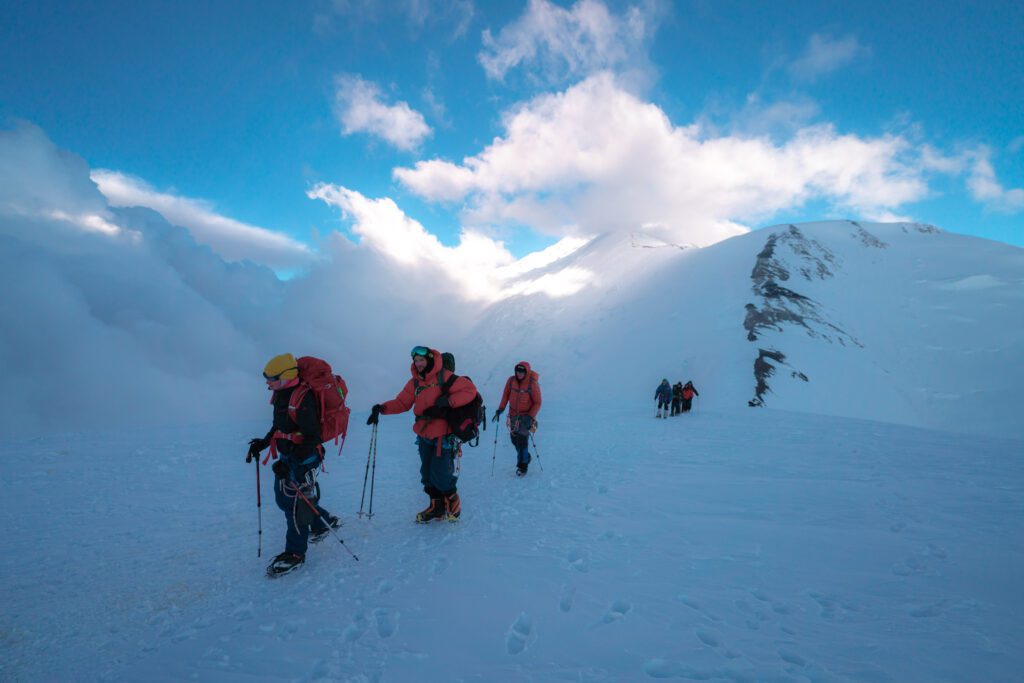 7134 m
7134 m | Pamir Classic 7000er
A Classic 7000 m Expedition in the Pamirs Climb Lenin Peak via the classic route with the support of Ak-Sai Travel’s established expedition infrastructure. Choose between a guided expedition led by professional mountain guides or a self-guided ascent with full logistics support.
View Expedition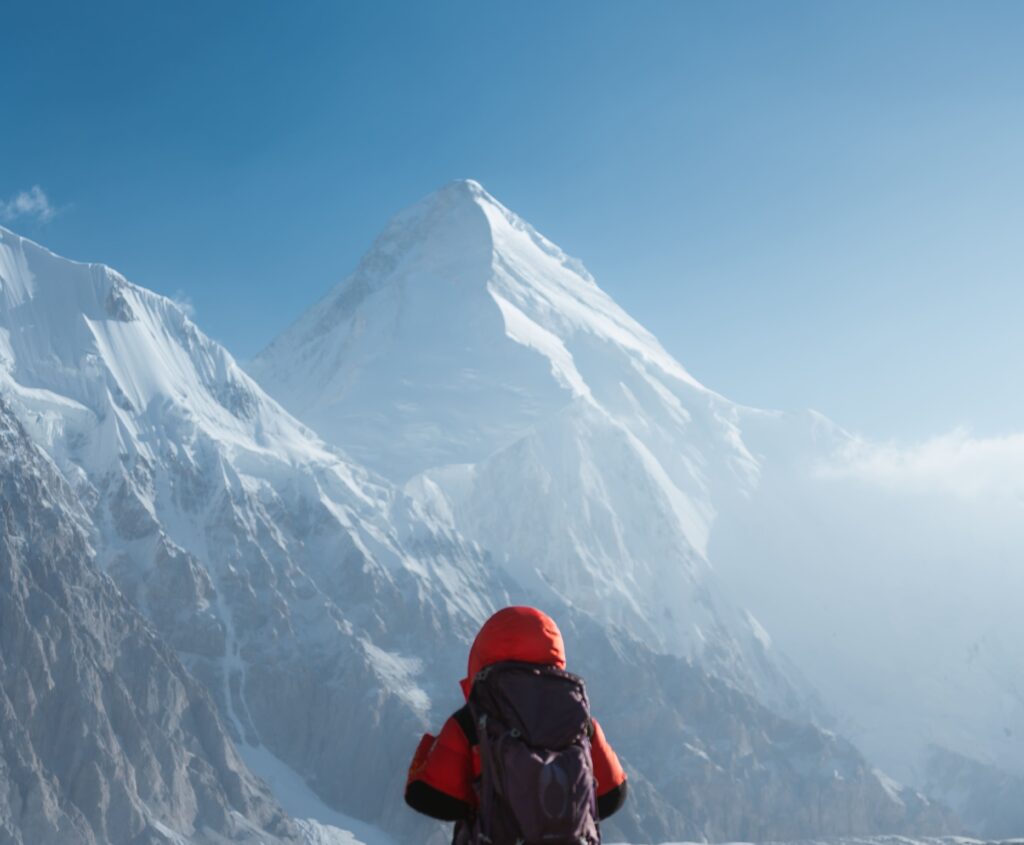 7010 m
7010 m | Tien Shan Classic 7000er
A Technical 7000 m Climb in the Tien Shan Climb Khan Tengri (7010 m), one of the highest and most recognizable peaks in the Tien Shan. The route involves high altitude, exposed sections, and technical climbing. Choose a guided expedition or a self-guided ascent with support from Ak-Sai Travel’s Base Camp infrastructure and helicopter logistics.
View Expedition 7134 m | 7010 m
Central Asia 7000 m Peaks
Two 7000 m Peaks in One Central Asia Campaign Climb Lenin Peak (7134 m) in the Pamirs and Khan Tengri (7010 m) in the Central Tien Shan on one self-guided high-altitude expedition. Designed for climbers seeking a serious first double-7000 m campaign, this program combines strong acclimatization, remote mountain logistics, access to two of Central Asia’s summit objectives.
View Expedition 7105 m | 7495 m
Pamir 7000er
A Double 7000 m Expedition in the Pamirs Climb two of the Pamir’s 7000m peaks in one expedition season: Korzhenevskaya (Ozodi) Peak (7105 m) and Communism (Ismoil Somoni) Peak (7495 m), the highest summit in the Pamirs. This expedition is designed for experienced climbers seeking a full high-altitude campaign with progressive acclimatization, remote helicopter access, and the support of Ak-Sai Travel’s established Base Camp logistics and expedition infrastructure.
View Expedition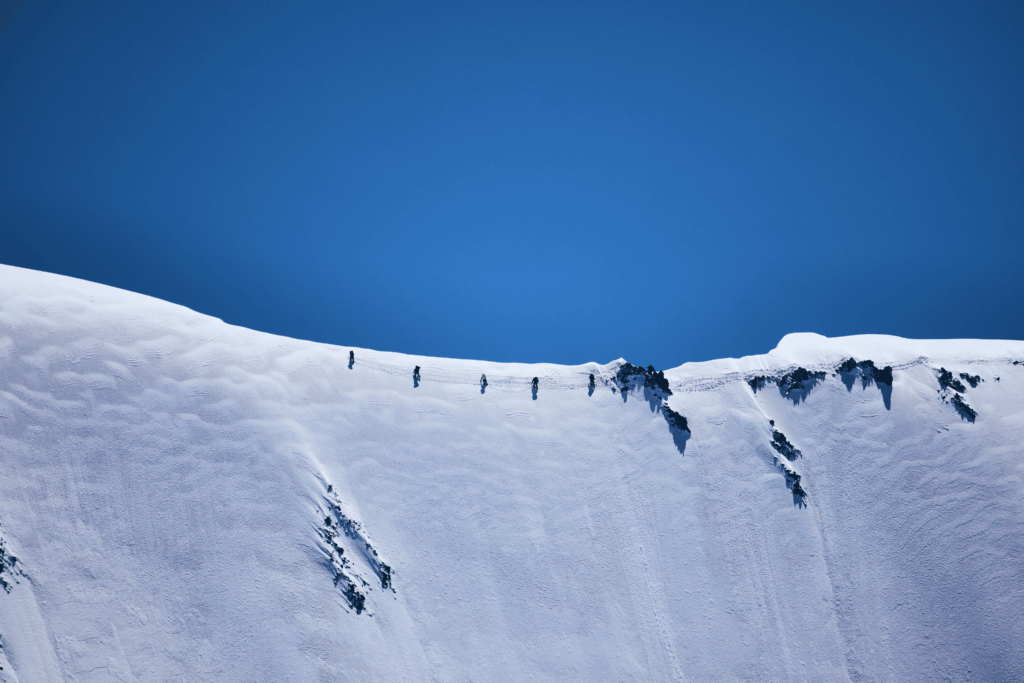 6400 m
6400 m | Central Tien-Shan 6000er
A Technical 6000 m Climb in the Central Tien Shan Climb the northernmost six-thousander in Central Asia via a route combining glacier travel, exposed ridges, and high-altitude camps. Choose between a guided expedition led by professional mountain guides or a self-guided ascent supported by Ak-Sai Travel’s established infrastructure.
View Expedition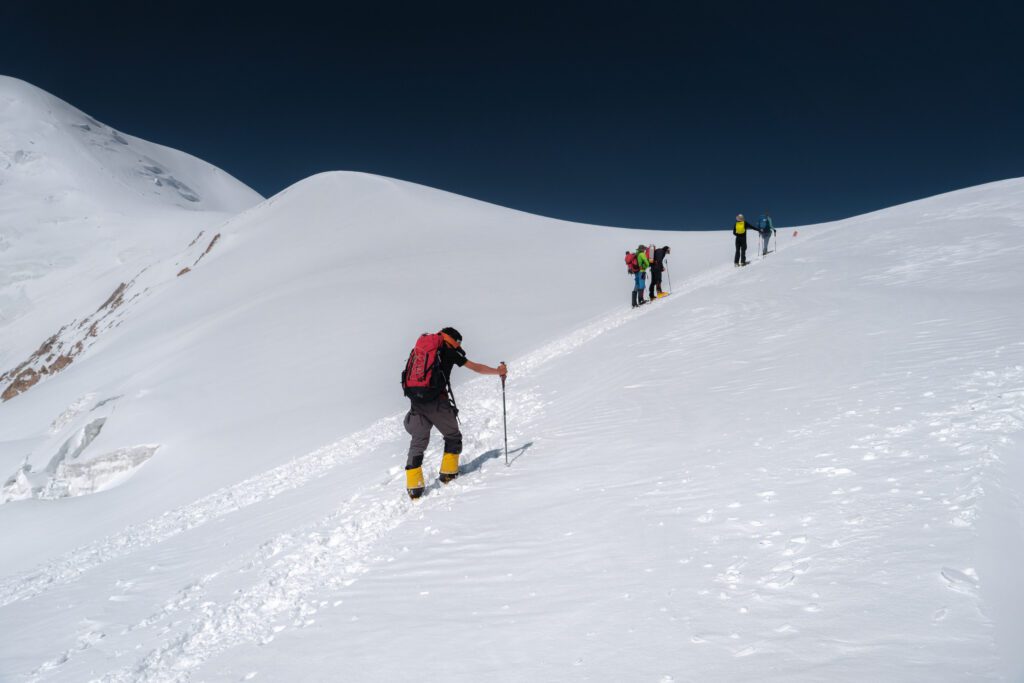 6148 m
Pamir 6000+ Peak
A High-Altitude Training Climb in the Pamirs Climb Razdelnaya Peak (6148 m) on the classic Lenin Peak route with professional mountain guides, structured acclimatization, and full Base Camp support. An ideal expedition for climbers preparing for their first 7000 m summit or building experience above 6000 m.
View Expedition 5130 m
Pamir 5000+ Peak
A Non-Technical 5000 m Summit in the Lenin Peak Region Climb Yukhin Peak (5130 m) for panoramic views of Lenin Peak, the Trans-Alay Range, and the vast Alay Valley. This guided climb is ideal for travelers in good physical condition who want to experience real altitude above 5000 m without technical mountaineering.
View ExpeditionOur expedition team in Kyrgyzstan has supported climbers on Pobeda and other Tien Shan summits for more than two decades.
Speak directly with a local expedition manager who can help you choose the right expedition style, preparation plan, and climbing season.
Send us your inquiry, and we'll reply within 24 hours.
Thanks for reaching out. We'll get back to you on WhatsApp shortly.
We will contact you shortly.

Order tickets for your destination through our manager.